Hey there! I’m a supplier of Standard Expanded Metal, and today I wanna have a chat about whether standard expanded metal can be used in electrical enclosures. Standard Expanded Metal
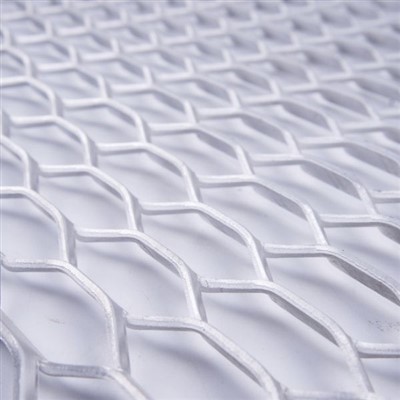
First off, let’s get a bit of background on what standard expanded metal is. It’s a type of metal sheet that’s been cut and stretched to form a pattern of diamond – shaped openings. This process gives it some unique properties that might be useful in electrical enclosures.
One of the big advantages of using standard expanded metal in electrical enclosures is its strength – to – weight ratio. Electrical enclosures need to be sturdy enough to protect the electrical components inside, but at the same time, we don’t want them to be overly heavy. Standard expanded metal is relatively lightweight because of the open pattern, but it still has good structural integrity. For example, if you have an enclosure that needs to be moved around or installed in a place where weight is a concern, expanded metal can be a great option.
Another important aspect is ventilation. Electrical components generate heat, and proper ventilation is crucial to prevent overheating. The open design of standard expanded metal allows air to flow freely through the enclosure. This helps in dissipating the heat generated by the electrical equipment, which in turn can extend the lifespan of the components. You know, overheating can cause all sorts of problems like component failure and reduced efficiency. With expanded metal, we can create a more breathable environment inside the enclosure.
Now, let’s talk about electromagnetic shielding. In some electrical applications, it’s important to protect the components from external electromagnetic interference (EMI) and also prevent the enclosure from radiating electromagnetic waves. Standard expanded metal can provide a certain level of electromagnetic shielding. The metal acts as a barrier, blocking some of the electromagnetic waves. However, it’s not as effective as solid metal sheets in terms of shielding. But for applications where the shielding requirements aren’t extremely high, expanded metal can still do the job.
When it comes to corrosion resistance, it depends on the type of metal used to make the expanded metal. If we’re using stainless steel expanded metal, it has excellent corrosion resistance. This is great for electrical enclosures that might be installed in harsh environments, like outdoor settings or areas with high humidity. Corrosion can damage the enclosure and the electrical components inside, so having a corrosion – resistant material is a big plus.
But there are also some challenges when using standard expanded metal in electrical enclosures. One of the main issues is the size of the openings. If the openings are too large, small objects or dust could get into the enclosure and damage the electrical components. So, we need to carefully select the right mesh size of the expanded metal. For applications where protection against small particles is crucial, we might need to use a finer mesh.
Another thing to consider is the finish of the expanded metal. A smooth finish is usually preferred in electrical enclosures to prevent any sharp edges that could cause injury during installation or maintenance. We can provide expanded metal with different finishes to meet the specific requirements of our customers.
In terms of installation, standard expanded metal is relatively easy to work with. It can be cut, bent, and welded to fit the shape and size of the electrical enclosure. This flexibility makes it a popular choice for many enclosure manufacturers.
Now, let’s look at some real – world examples. In industrial settings, electrical enclosures are often used to house control panels, switchgear, and other electrical equipment. Standard expanded metal can be used to make the sides or doors of these enclosures. For example, in a factory where there are a lot of electrical machines, the expanded metal enclosures can provide ventilation and protection at the same time.
In the telecommunications industry, electrical enclosures are used to house communication equipment. The expanded metal can help in keeping the equipment cool and also provide a certain level of protection from the elements.
So, to sum it up, standard expanded metal can definitely be used in electrical enclosures. It offers several benefits like good strength – to – weight ratio, ventilation, and some level of electromagnetic shielding. However, we need to be aware of the challenges like opening size and finish.

If you’re in the market for electrical enclosures and think standard expanded metal could be a good fit for your project, I’d love to have a chat with you. We can discuss your specific requirements, like the size, mesh size, and finish of the expanded metal. Whether you’re a small business or a large corporation, we can work together to find the best solution for your electrical enclosure needs.
Micro Perforated Metal References:
- "Handbook of Electrical Enclosure Design"
- "Materials for Electrical Applications"
Anping Yilida Metal Wire Mesh Co., Ltd.
Anping Yilida Metal Wire Mesh Co., Ltd. is one of the most reliable standard expanded metal manufacturers and suppliers in China, also supports customized service. Please feel free to buy bulk high quality standard expanded metal made in China here from our factory.
Address: Wire Mesh Development Zone, Anping, Hebei Province, China
E-mail: sales@wiremesh-yg.cn
WebSite: https://www.yilidametal.com/
