Thermal management in PCB assembly is super important, and as a PCB assembly supplier, I’ve seen firsthand how crucial it is. Let’s dig into what it is, why it matters, and how we handle it. PCB Assembly

So, What’s Thermal Management in PCB Assembly?
In simple terms, thermal management in PCB assembly is all about controlling the heat that’s generated by electronic components on a printed circuit board. When electronic devices run, the components like resistors, transistors, and integrated circuits (ICs) generate heat. If this heat isn’t managed properly, it can cause a whole bunch of problems.
Think of it like your body. When you exercise, your body temperature rises. If you don’t cool down, like by sweating or taking a break, you can overheat and get sick. The same goes for PCBs. If the heat builds up too much, it can damage the components, reduce the lifespan of the board, and even cause the whole device to malfunction.
Why Does Thermal Management Matter?
Component Reliability
Electronic components are designed to work within a certain temperature range. If the temperature goes above this range, the performance of the components can degrade. For example, a transistor’s gain can change with temperature, which can affect the overall circuit’s behavior. Over time, the excessive heat can cause physical damage to the components, like melting the solder joints or cracking the semiconductor materials.
System Performance
Heat can also have a big impact on the performance of the entire system. In high – speed digital circuits, the propagation delay of signals can increase with temperature. This means that the data transfer speed can slow down, and the system may not function as efficiently as it should. In power electronics, overheating can cause a drop in efficiency, leading to wasted energy and increased operating costs.
Product Lifespan
Excessive heat is one of the main factors that can shorten the lifespan of a PCB assembly. The constant expansion and contraction of components due to temperature changes can cause mechanical stress, which can lead to cracks and failures over time. By managing the heat effectively, we can significantly extend the lifespan of the PCB and the electronic device it’s used in.
How Do We Handle Thermal Management?
Material Selection
One of the first steps in thermal management is choosing the right materials. The PCB substrate material plays a crucial role in heat dissipation. For example, materials like metal – core PCBs (MCPCBs) have better thermal conductivity than traditional FR – 4 substrates. MCPCBs use a layer of metal, usually aluminum, as the core, which helps to transfer heat away from the components more effectively.
We also pay attention to the solder paste used. High – temperature solder pastes are often used in applications where the components generate a lot of heat. These solder pastes can withstand higher temperatures without melting or losing their integrity.
Component Placement
The way we place the components on the PCB can also have a big impact on thermal management. We try to separate high – power components from low – power ones to prevent heat from one component from affecting another. We also leave enough space between components to allow for air flow.
For example, if we have a power transistor that generates a lot of heat, we’ll place it near the edge of the PCB where it can get better ventilation. We might also group similar heat – generating components together so that we can use a single heat sink or cooling solution to handle them.
Heat Sinks
Heat sinks are one of the most common methods of thermal management. A heat sink is a passive cooling device that absorbs and dissipates heat from a component. It usually consists of a base plate and a series of fins. The base plate is in direct contact with the component, and the fins increase the surface area, allowing for more efficient heat transfer to the surrounding air.
We carefully select heat sinks based on the power dissipation of the component and the available space on the PCB. For small – scale applications, we might use a small clip – on heat sink, while for high – power applications, we might use a larger, more elaborate heat sink with a fan.
Thermal Vias
Thermal vias are another important tool in our thermal management toolkit. A thermal via is a small hole in the PCB that’s filled with a conductive material, usually copper. These vias help to transfer heat from one layer of the PCB to another, allowing for better heat distribution.
We can use a large number of thermal vias under a heat – generating component to create a thermal path that conducts heat away from the component and into the inner layers of the PCB, where it can be dissipated more effectively.
Fans and Forced Air Cooling
In some cases, passive cooling methods like heat sinks and thermal vias aren’t enough. That’s when we turn to fans and forced air cooling. Fans can be used to blow air over the PCB assembly, increasing the rate of heat transfer from the components to the surrounding air.
We need to be careful when using fans, though. They can introduce dust and other contaminants into the system, which can cause problems over time. We also need to make sure that the fan is properly sized and placed to ensure that it effectively cools the critical components.
Real – World Applications
We’ve seen thermal management in action in a variety of applications. For example, in automotive electronics, PCBs are used in engines, dashboards, and infotainment systems. These PCBs need to operate in a wide range of temperatures, from extremely cold to very hot. Effective thermal management is essential to ensure the reliability and performance of these systems.
Another area is in data centers. The servers in data centers generate a huge amount of heat. PCBs in these servers need to be designed with excellent thermal management to prevent overheating and ensure continuous operation.
Our Approach as a PCB Assembly Supplier
As a PCB assembly supplier, we take thermal management very seriously. We work closely with our customers from the design stage to understand their specific requirements. We use advanced simulation tools to predict the heat distribution on the PCB and optimize the design for better thermal performance.
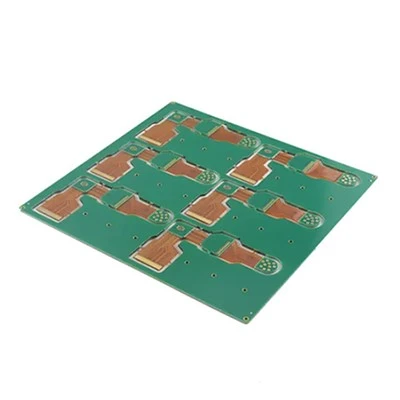
Our manufacturing processes are also geared towards thermal management. We pay close attention to the details, like the quality of the solder joints and the accuracy of the component placement. We also have strict quality control measures in place to ensure that every PCB assembly we produce meets the highest standards of thermal performance.
Let’s Talk
Multilayer FR4 PCB Board If you’re in the market for PCB assembly and are concerned about thermal management, don’t hesitate to reach out to us. We have the expertise and experience to provide you with a high – quality, thermally efficient PCB assembly solution. Whether you’re working on a small – scale project or a large – scale industrial application, we’re here to help. Get in touch with us to start a conversation about your needs and how we can meet them.
References
- Smith, J. (2018). "Introduction to Electronic Thermal Management". Wiley.
- Jones, A. (2020). "PCB Design for Thermal Efficiency". IEEE Transactions on Components, Packaging and Manufacturing Technology.
Fastline Circuits Co., Limited
Fastline Circuits Co., Limited is one of the most professional PCB assembly manufacturers and suppliers in China. With abundant experience, we warmly welcome you to wholesale durable PCB assembly made in China here and get quotation from our factory. All customized products are with high quality and competitive price.
Address: Room 301, Building B3, Fuqiao 4th District, Qiaotou Community, Fuhai Subdistrict, Bao’an District, Shenzhen, Guangdong Province, China
E-mail: sales@fastlinepcb.com
WebSite: https://www.fastlinepcb.net/
