If you’ve ever walked a wedding reception, a music festival, or a pop-up retail space and spotted that larger-than-life, vivid flower that stops everyone in their tracks, chances are it came from an inflatable flower supplier like me. For the past seven years, I’ve shipped thousands of these pieces to event planners, set designers, and brand teams, and the number one question I get isn’t “where do I buy one”—it’s “how do I display it without it looking messy, lopsided, or like a cheap party decoration strung up in a closet.” Inflatable flowers aren’t just giant pool toys; they’re decorative elements that work for intimate backyard weddings, 10,000-person music festivals, and everything in between. Getting the display right turns a simple inflatable into a focal point that ties a whole space together, and there are a few science-backed, practical tricks I’ve picked up along the way that I’m happy to share. Inflatable Flower
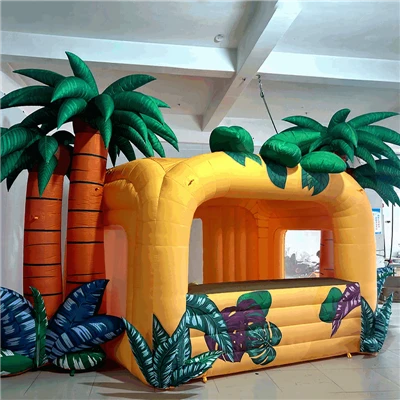
First, let’s start with the basics: understanding your inflatable flower’s anatomy before you even think about setup. Most inflatable flowers we supply are constructed from UV-stabilized vinyl or heavy-duty polyester, with a built-in blower that keeps them inflated constantly. Unlike disposable blow-up yard decor, these are made for repeated use, so their structure has intentional seams: a central stem, a petal array, and sometimes hidden loops or anchor points around the base. The biggest mistake first-time buyers make is skipping the assembly guide I send with every order, but more than that, they don’t account for the difference between static and dynamic display. For example, a 10-foot-tall sunflower with a weighted base will stay upright on its own indoors, but set that same flower outside in a mild breeze, and it will sway perfectly—set it in a wind gust over 15 mph, and even the sturdiest inflatable can tip if you don’t secure it properly. That’s not a flaw in the product; that’s a failure to match display conditions to the flower’s design.
Indoor displays are where inflatable flowers really shine, and they’re also the most forgiving, as long as you leverage architectural elements to enhance, not hide, their size. Most of our clients who use inflatables for weddings and corporate events opt to place them where the ceiling height is at least 3 feet higher than the flower’s total height. That extra space prevents the top of the petals from bumping into low-hanging light fixtures or ceiling panels, which can both puncture the inflatable and flatten its shape. I once had a client who tried to set a 8-foot-tall peony in a 9-foot-tall ballroom, and when the inflatable puffed up, it pressed against the ceiling so hard that the central stem bowed outward—ruining the soft, rounded shape of the petals. To fix it, we added 12-inch tall foam risers under the weighted base, which lifted the flower far enough to keep it from touching the ceiling without making it look awkwardly elevated. For smaller spaces, like pop-up shop windows, a half-sized inflatable flower works, but you can also suspend the top of the flower from the ceiling using the built-in loops we sew into the back of the petals. That’s a trick I picked up from a set designer who used inflatable lilies in a store’s floral-themed display: instead of letting the flower sit on the floor, they hung the top third of it from fishing line that was invisible from the street, so the flower appeared to float mid-air. The key here is to balance the weight: most inflatables weigh between 10 and 25 pounds, so you don’t need heavy-duty rigging—just a few hooks rated for at least 50 pounds (to account for any accidental tugging from curious guests) will do the job.
When it comes to petal arrangement, don’t assume the factory-set shape is final. Most inflatable flowers come with petals that are loosely folded for shipping, so you can adjust their position to match the vibe of your space. For example, a tight, upright petal arrangement works for modern, minimalist events where you want the flower to feel sleek and intentional, while a slightly splayed, relaxed petal shape feels more organic and is perfect for bohemian weddings or outdoor garden parties. A few months back, a bride ordered three giant inflatable roses for her outdoor wedding, and she initially kept the petals tight to match the venue’s elegant glass pavilion. But after a friend pointed out that the roses looked too formal, she gently stretched each petal outward by 2 or 3 inches, and suddenly they felt like they belonged in the garden, not just the indoor space. That adjustment is easy to do with warm hands—just run a hair dryer on low heat over the petal’s inner edge for 30 seconds, then gently shape it. The vinyl will hold the new shape once it cools, and it won’t damage the inflatable.
Now, outdoor displays are where things get trickier, because wind, moisture, and ground conditions all play a role. Let’s start with wind first, since that’s the number one cause of inflatable flower damage. We always recommend checking the local weather forecast for the day of your event, and if wind speeds are over 12 mph, you should add extra anchors to your display. The base of every inflatable flower has four D-ring loops at the bottom, which we design to hold rope or ground stakes. For soft grass or dirt, metal ground stakes that are at least 18 inches long work best—drive them at a 45-degree angle away from the base of the flower, then tie the rope tightly to the D-rings. For concrete or pavement, you can use heavy-duty sandbags (filled with play sand, not soil, which is too heavy and can split the base of the inflatable) that are at least 50 pounds each, placed directly against the sides of the base to distribute weight evenly. I once had a festival client test a 15-foot inflatable sunflower without anchors during a 14 mph wind, and even with a 50-pound sandbag, it toppled over and tore a hole in a petal. We switched to four 60-pound sandbags and added two extra rope anchors, and it stayed upright for the entire three-day event.
Moisture is another big concern for outdoor inflatables—rain, dew, and even sprinklers can damage the blower or the vinyl if you’re not careful. We supply a water-resistant blower cover with every outdoor order, but if you don’t have one, a simple vinyl tarp draped over the blower (not the entire inflatable) works. Just make sure you leave the blower’s intake vent uncovered so it can pull in air to keep the flower inflated—covering the entire flower will cause it to deflate, and even a small deflation can lead to misshapen petals. For dew or light rain, most vinyl inflatables are fine, but if you’re expecting heavy rain, wipe the petals dry with a soft cloth after the event and store the inflatable in a cool, dry place to prevent mold from growing in the seams. I’ve seen too many people leave their inflatables out overnight at an outdoor event, only to find that the base got damp and started to mildew, which breaks down the vinyl over time. A little prep goes a long way here.
Lighting is often an afterthought for inflatable flower displays, but it’s what makes them stand out after dark. Whether you’re using them for a night festival, a holiday event, or a restaurant patio at night, adding lights inside or around the inflatable can transform the look. The easiest option is LED string lights—we supply battery-powered LED strands that are designed to fit inside the central stem and between the petals, so you don’t have to drill holes or run wires. Warm white lights work for romantic weddings, while multicolor RGB lights let you change the hue to match a brand’s color scheme for corporate events. One of our best clients is a concert promoter who uses inflatable lotus flowers for outdoor shows, and they string blue and green LED lights inside each one, so at night, the flowers look like they’re floating on a sea of light. For a more subtle look, you can place uplights on the ground around the base of the flower, pointed upward to highlight the texture of the petals—this works especially well for large, single flowers, like a 12-foot tulip, that you want to be the center of attention. Just make sure the uplights are rated for outdoor use, and keep them at least 2 feet away from the inflatable to prevent the heat from melting the vinyl.
Another mistake I see a lot is overcrowding the space with inflatable flowers. It’s easy to think “more is better,” but a giant inflatable flower works best as a single focal point, or in small clusters of two or three spaced at least 10 feet apart, so each one has its own space to be seen. For example, a large wedding venue can handle a cluster of five inflatable flowers arranged along the aisle, but a small restaurant patio will look cluttered with more than two. I once had a client who ordered 10 inflatable daisies for a small farmers’ market pop-up, and they placed them all in a 10×10 foot space. The result was that all the flowers blended together, and none of them stood out. We advised them to move three to the entrance of the market, two near the food stalls, and keep three in the patio, and suddenly the display looked intentional and eye-catching, not messy.
If you’re displaying your inflatable flower for a permanent installation, like a storefront or a public art display, there are a few extra steps to keep it looking good long-term. First, avoid placing it in direct, intense sunlight for more than 8 hours a day—UV rays can fade the vinyl over time, so we recommend investing in a UV-protective vinyl coating, which we can add to orders for an extra fee. Second, schedule regular inspections: every month, check the seams for any tears, and make sure the blower is working properly. If you notice a small hole, a vinyl repair kit (which we also supply) will fix it quickly—just clean the area around the hole, apply the adhesive, and press a patch over it. It’s important to fix holes right away, even small ones, because a tiny tear can expand over time and cause the entire inflatable to deflate, which can lead to more damage.

At the end of the day, displaying an inflatable flower is less about following strict rules and more about matching the display to your space and purpose. Whether you’re setting one up in a small restaurant window or a 10,000-person music festival, the key is to respect the inflatable’s design, account for environmental factors, and use small adjustments to make it feel like it belongs. If you’re ready to turn your space into something vibrant and unforgettable with a custom inflatable flower display, feel free to reach out for a consultation. We work with event planners, designers, and brands of all sizes to create displays that fit their vision, from single giant blooms to entire installations of inflatable flowers.
Inflatable Sports Events References:
- "Inflatable Structures: Design, Maintenance, and Display Best Practices," International Association of Event Professionals, 2022
- "UV Stabilization for Inflatable Vinyl Materials," Journal of Textile and Apparel Technology and Management, Vol. 18, No. 2, 2021
- "Wind Load Testing for Inflatable Event Decor," American Society of Civil Engineers, 2020
- "Lighting for Inflatable Outdoor Displays," Outdoor Entertainment Industry Magazine, 2023
Yantai Deco Inflatable Co., Ltd.
We are one of the most experienced inflatable flower manufacturers and suppliers in China. With a professional production team, we are able to meet the needs of the majority of our customers. Please feel free to buy customized inflatable flower made in China here from our factory.
Address: No.5, Binglun Western Road, Yantai City, Shandong Province, China
E-mail: sales01@hiinflatable.com
WebSite: https://www.decoinflatable.com/
