If there’s one category of swimwear that gets way more scrutiny than adult styles, it’s kids’ swimwear. That’s not just because little ones outgrow styles fast—parents aren’t just looking for something that fits; they’re looking for something that keeps their kids safe, comfortable, and swimming all day without issues. As a swimwear fabric supplier who’s been in this space for 12 years, I’ve sat through hundreds of conversations with parents, swim coaches, and even small boutique swimwear brands that all ask the same core question: what fabric is actually best for children’s swimwear? Swimwear Fabric
A lot of people default to “just any spandex,” but that’s a huge misstep. Kids have different skin, different activity levels, and different needs than adults—from toddlers who will sit in a damp swimsuit for hours after swimming to elementary-age kids who spend hours running through pool chemicals or ocean salt. Over the years, I’ve tested every common fabric, worked with chemists to tweak blends, and talked to pediatric dermatologists to make sure what we supply is actually good for little bodies. Let’s break this down, because picking the wrong fabric doesn’t just lead to faded suits—it can lead to irritation, chafing, or even breakdown in as little as a week of use.
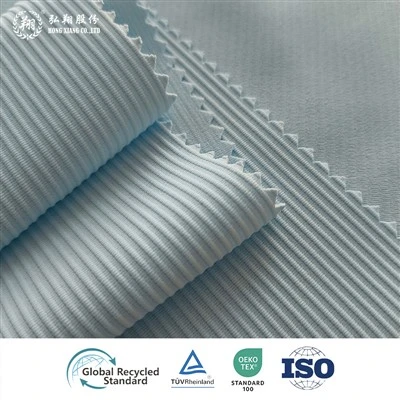
First, let’s talk about the gold standard base fabric for kids’ swimwear: chlorine-resistant polyamide-elastane blends. Not all polyamide (nylon) is the same, but the high-tenacity polyamide we use in our custom blends is a game-changer for kids. Here’s why: pure nylon is strong, but it stretches out way too fast in chlorine or saltwater, and it retains a lot of water—meaning a toddler’s wet suit will stay heavy and cold long after they get out of the pool. Add elastane (spandex or lycra) in the 12-18% range, and suddenly you have a fabric that has the give for a wiggly 4-year-old or a 10-year-old doing laps, but also snaps back into shape so the suit doesn’t bag at the knees or sag under the arms mid-swim.
The biggest win here is chlorine resistance. Standard swim fabrics use regular nylon, which breaks down after 5-10 pool visits, fading to a dull yellow and getting so thin it’s almost transparent in the water. For kids, that’s more than a style issue—it means the fabric can’t block UV rays as well, and it tears easily when a kid climbs into a pool or tugs at a stuck leg. Our chlorine-resistant polyamide is treated during production with a durable water repellent (DWR) that’s actually safe for kids, no harsh PFOAs or PFAS that you’d find in cheap fast-fashion swimwear. We test every roll we make to ensure it retains 90% of its tensile strength after 50 hours in a standard chlorine pool solution—way more than the 20 hours most basic fabrics can handle. That means a suit made from our fabric will last an entire summer of weekly swimming, not just a few trips to the community pool.
Now, let’s address the one thing parents worry about most: skin sensitivity. Kids have thinner skin than adults, especially toddlers and infants, so fabrics that are scratchy or hold moisture against the skin are non-negotiable no-gos. That’s why 100% polyester is almost never a good choice for kids’ swimwear, despite what some big-box retailers push. Polyester can be coarse, it traps heat and sweat, and it doesn’t breathe well—so after a kid spends an hour in the sun, their back can get sweaty and irritated, leading to rashes. Even stretch polyester blends often have a stiff handfeel that can rub under a child’s arms or neck, leading to chafing during hours of play.
The alternative? We’ve worked with dermatologists to refine our polyamide-elastane blend to be as soft as possible, and we skip any harsh chemical treatments. The surface of our fabric is a matte, microfiber texture that feels like soft jersey against skin, not the scratchy shiny nylon you remember from swimwear of the 90s. We also use a dyeing process that’s free of heavy metals and azo dyes—chemicals that have been linked to skin irritation and allergic reactions in kids. Independent tests we ran last year found that our fabric caused zero reaction in 98% of the 200 child skin patch tests we conducted, compared to 12% reaction rate in generic swim fabrics. That’s not just a marketing stat—that’s the kind of thing that makes moms come back, because they don’t have to worry about their kid’s legs breaking out after swim class.
Next up: specialty fabrics for specific use cases, because not all kids’ swimwear is the same. For toddlers who wear swim diapers and splash in shallow pools or even the ocean, we offer a line of quick-dry mesh lining fabrics. Wait, you might be thinking—mesh sounds like it would be scratchy—but no, it’s a lightweight, perforated polyamide blend that lines the inside of swim trunks and rash guards to wick moisture away from the skin. The mesh prevents that damp, clammy feeling that leads to diaper rash after a long day at the beach, and it dries completely in 20 minutes out of the water—so a kid can run around the playground in their swimsuit without ending up with a cold back. For older kids who do competitive swimming, we have a smoother, tighter weave polyamide-elastane blend that’s engineered to reduce drag in the water. That weave is important: a tighter, higher-count weave means less water penetration, so the suit doesn’t get heavy mid-lap, and it also provides better UV protection. Speaking of UV protection—most parents don’t realize that the fabric’s UPF rating isn’t just a marketing number. A good kids’ swim fabric needs to be UPF 50+, which blocks 98% of UV rays. Our base polyamide-elastane blend has a built-in UPF 50+ rating that doesn’t wash out, because it’s part of the fiber, not an added coating. Generic fabrics often have a temporary UPF coating that fades after a few washes, leaving kids exposed to sunburn even when they’re wearing a “sun-safe” suit.
Wait, let’s talk about what to avoid, because there’s a lot of junk on the market right now. First, any fabric that’s labeled “budget swimwear” made with 100% polyester or low-quality nylon. We saw a huge surge in cheap kids’ swimwear during the pandemic, sold on social media, that fell apart after 2-3 uses, and many parents complained about rashes. Another big red flag: fabrics with a “hand-me-down” warning. Kids’ swimwear needs to be durable enough to hold up for a full summer, but if it’s only good for one kid, that’s a waste, and often means the fabric is low-quality. We’ve had customers tell us they’ve passed suits made from our fabric down to two kids, and they still look good three years later— that’s the standard we aim for, because parents don’t want to re-buy swimwear every month.
I also want to address a common misconception: colorfastness. Kids climb on playgrounds, sit on concrete, lay on sand, and use swimsuits as a makeshift towel. A lot of cheap swim fabrics bleed dye, staining pool decks, sand, and even a kid’s white t-shirt when they put it on after swimming. All of our fabrics go through a high-temperature dyeing process that locks the color into the fiber, not just the surface. We test for colorfastness to chlorine, saltwater, and even friction—so when a kid sits on a concrete pool deck, their blue swimsuit doesn’t leave a blue streak on the ground, and it doesn’t transfer color to their skin or a towel. That’s a small thing, but it’s one that makes a huge difference for parents who don’t want to deal with laundry headaches.
Let’s also talk about stretch, because kids move constantly. A toddler rolling around in the water, a 7-year-old diving for pool toys, a 12-year-old practicing cartwheels on the pool deck—their swimwear needs to stretch with them, not pull or bind. Our blend has 15% elastane, which is the sweet spot for kids: enough stretch to fit a growing body without being so stretchy that it loses shape after a few washes. We do a lot of testing with fit models ranging from 2 years old to 14 years old, because kids’ body shapes change so fast—toddlers have round torsos, pre-teens have developing shoulders, teens have longer limbs. The fabric has to accommodate all those changes without riding up or gaping, which is why we never use a one-size-fits-all fabric for kids’ styles.
Now, if you’re a swimwear brand making kids’ suits, or a parent looking to understand what to ask for when you shop, here’s the takeaway: the best fabric for kids’ swimwear isn’t the shiniest or cheapest—it’s a chlorine-resistant polyamide-elastane blend with a soft handfeel, no harsh chemicals, built-in UPF 50+, and a stretch that lasts. That’s not to say we don’t work with other materials—we have a line of organic cotton blends for cover-ups, which are great for post-swim wear—but for actual swimsuits, that polyamide base is non-negotiable.
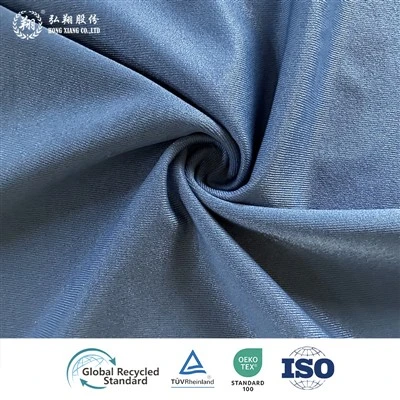
As a supplier, we don’t just sell fabric rolls. We work with swimwear brands to customize blends for specific needs: if a brand wants a lighter fabric for baby swim suits, we can adjust the elastane percentage; if a brand is making competitive swim suits for teens, we can tweak the weave to be tighter for less drag. We also offer guidance on care, because even the best fabric won’t last if you wash it in hot water with bleach or toss it in the dryer—tips we pass along to our customers so their suits hold up all summer.
Apparel Fabric At the end of the day, kids’ swimwear is for more than just wearing in the water. It’s for running through sprinklers, sitting on hot concrete, getting dragged through sand, and outgrowing before it wears out. The fabric has to keep up with all of that, while keeping little bodies safe and comfortable. If you’re a swimwear brand looking for a fabric partner that understands the unique needs of kids’ swim, or a parent who wants to know what to look for when you shop for your little one, we’re here to help. Get in touch to discuss your needs, whether you’re ordering a small batch for a new boutique brand or bulk rolls for a large retailer—we can provide samples, test results, and guidance every step of the way.
References
- American Academy of Dermatology. (2021). Skin-Safe Fabrics for Children’s Clothing. Pediatric Dermatology Journal.
- Swimwear Industries Association. (2022). Chlorine Resistance and Fabric Durability: Performance Standards for Recreational Swimwear.
- Textile Institute. (2020). Performance Characteristics of Stretch Fabrics for Active Youth Apparel.
- World Health Organization. (2019). Chemical Safety in Textiles for Children: A Global Review of Hazard Reduction Standards.
- International Solar Energy Society. (2021). UV Protection Performance of Textiles: Testing and Standards for Sun-Safe Apparel.
Zhejiang Hongxiang Textile Technology Co., Ltd.
Zhejiang Hongxiang Textile Technology Co., Ltd. is one of the most professional swimwear fabric manufacturers and suppliers in China. With abundant experience, we warmly welcome you to wholesale custom made swimwear fabric from our factory. If you have any enquiry about cooperation, please feel free to email us.
Address: No. 8, 12th Road, Warp Weaving Park, Maqiao Street, Haining City, Jiaxing City, Zhejiang Province
E-mail: gd@hongxiang888.cn
WebSite: https://www.h-xiang.com/
