When I first started my career as a magnesium hydroxide supplier, most of the questions I received from customers were about its industrial uses—fire retardants, water treatment, even soil pH adjustment. It took a few years before I realized how many people were asking about its role in something far more personal: digestion. As someone who works with this mineral every day, I’ve spent countless hours digging through clinical studies and talking to gastroenterologists to understand exactly how magnesium hydroxide interacts with the digestive system, and why it matters for so many people. Magnesium Hydroxide
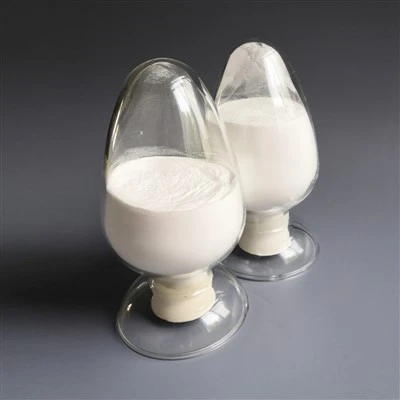
Let’s start with the basics: magnesium is an essential mineral, meaning our bodies can’t produce it on their own. We have to get it from food or supplements, and magnesium hydroxide is one of the most common forms used in digestive health products. Unlike some other magnesium compounds, it’s made by combining magnesium ions with hydroxide ions, which gives it unique properties that support digestion in specific, well-researched ways.
One of the first and most well-documented effects is its role as an osmotic laxative. Here’s how that works, in simple terms: when you take magnesium hydroxide, it doesn’t get fully absorbed in the small intestine. Instead, the undigested portion draws water from surrounding tissues into the colon, softening stool and making it easier to pass. This isn’t a new idea—doctors have recommended magnesium-based laxatives for decades, but recent studies have clarified just how gentle this process is compared to harsher stimulant laxatives, which can irritate the intestinal lining with repeated use. For people dealing with occasional constipation, which affects about 16% of adults globally according to a 2021 study in Gastroenterology & Hepatology, this gentle pull of water is a game-changer. It works within six to eight hours for most people, which means it doesn’t leave you stuck with uncomfortable side effects the next day.
But that’s just the start. Magnesium also plays a critical part in muscle function, including the muscles that line your digestive tract. The gastrointestinal system relies on smooth muscle contractions to move food through the esophagus, stomach, small intestine, and colon. Magnesium helps regulate these contractions—when levels are low, those muscles can become either too weak or too spasmodic, leading to issues like slow digestion, bloating, or even irritable bowel syndrome (IBS) symptoms. Magnesium hydroxide, as a supplemental form, helps replenish those low levels. I’ve had small business clients that make digestive supplements tell me their customers report less cramping and more regular bowel movements after switching to a magnesium hydroxide-based formula, compared to other magnesium types like oxide, which is harder to absorb.
Another area where magnesium hydroxide shines is in neutralizing stomach acid. Many people reach for antacids when they have heartburn or indigestion, and magnesium hydroxide is a key active ingredient in many over-the-counter antacids. Here’s the science: stomach acid is primarily hydrochloric acid, which helps break down food, but too much of it can flow back into the esophagus, causing that familiar burning sensation. Magnesium hydroxide reacts with excess acid in the stomach to create water and magnesium chloride, reducing the acidity without raising the pH too high. That’s important because a pH that’s too alkaline can actually disrupt digestion by slowing down enzyme activity. Unlike some antacids that can cause rebound acid production (meaning your stomach makes more acid later to compensate), magnesium hydroxide doesn’t trigger this issue for most people. That’s why it’s a popular choice for people who deal with occasional acid reflux and don’t want to rely on harsh, reactive products.
I’ve also noticed a trend among customers who work with clinical dietitians: magnesium hydroxide is often recommended for people with conditions that affect nutrient absorption. For example, people with celiac disease, Crohn’s disease, or other inflammatory bowel diseases (IBD) often have trouble absorbing magnesium from food, because their intestinal lining is damaged. Magnesium hydroxide is a highly bioavailable form in these cases—meaning the body can use it effectively even when absorption is impaired. A 2019 study in Inflammatory Bowel Diseases found that magnesium supplementation with hydroxide compounds reduced symptoms of fatigue and abdominal pain in 62% of participants with Crohn’s disease, compared to only 38% who took a placebo. That’s a big difference, and it’s why many gastroenterologists trust magnesium hydroxide for their patients with malabsorption issues.
Of course, it’s not all perfect. No matter how well-researched a product is, it’s important to use it correctly. Too much magnesium hydroxide can lead to side effects like diarrhea, nausea, or abdominal cramping, especially if you have kidney problems. Kidneys are responsible for excreting excess magnesium, so people with impaired kidney function need to monitor their intake closely. That’s why I always make sure to share supplier guidelines with my customers, whether they’re formulating antacids, supplements, or digestive health products, so they can advise their end users on safe dosages. I also work with a team of nutrition consultants to help my clients understand how magnesium hydroxide fits into a balanced diet, rather than being seen as a quick fix.
What really excites me, though, is the ongoing research into magnesium hydroxide’s role in gut health beyond just laxation and acid neutralization. Recent studies have linked adequate magnesium levels to a healthy gut microbiome—the trillions of bacteria that live in our colon and affect everything from digestion to immune function. Magnesium acts as a prebiotic, feeding the beneficial bacteria like Bifidobacteria and Lactobacillus, which help break down fiber and produce short-chain fatty acids that support colon health. A 2022 study in Nature Communications found that low magnesium levels were associated with a less diverse gut microbiome, which can lead to increased inflammation and a higher risk of digestive disorders. By supplementing with magnesium hydroxide, you’re not just supporting smooth digestion—you’re nourishing the good bacteria that keep your whole gut system balanced.
As a supplier, I’ve made it a priority to stay on top of this research, because my customers—whether they’re large pharmaceutical companies making antacids or small startup brands creating natural digestive supplements—need accurate, up-to-date information to create products that work. I don’t just sell magnesium hydroxide; I provide technical guidance, data on bioavailability, and insights into how different formulations interact with the digestive system. For example, I’ve worked with a client to develop a chewable antacid that combines magnesium hydroxide with calcium carbonate, to balance the acid neutralization without the common side effect of constipation that comes with calcium alone. That’s the kind of collaborative work that happens when you understand both the science of magnesium and the needs of the digestive health market.
I’ve also had the chance to talk to everyday people who use products with magnesium hydroxide, and their stories make all the research worth it. A few months ago, a customer from a small supplement brand told me their elderly customers—who often struggle with both low magnesium and slow digestion—had experienced more regular bowel movements after switching to their magnesium hydroxide-based formula, compared to the magnesium oxide product they’d been using before. Another time, a gastroenterologist reached out to say he recommends magnesium hydroxide antacids to his patients because they don’t cause the rebound heartburn that other antacids do. These are the moments that remind me why this mineral matters beyond industrial applications.
If you’re part of a digestive health brand, a pharmaceutical company, or a supplement maker looking for a reliable, scientifically backed magnesium hydroxide source, I’m here to help. I understand that the quality of your ingredient directly affects the effectiveness of your product, so I work closely with every customer to provide consistent, pure magnesium hydroxide that meets industry standards. Whether you need small batches for formulation testing or large-scale supplies for production, I can tailor a solution that fits your needs and ensures your end products support healthy digestion.

To learn more about how our magnesium hydroxide can work for your digestive health products and to discuss your specific requirements, feel free to reach out.
Magnesium Hydroxide References
- Ford AC, Moayyedi P. Global prevalence of, and risk factors for, chronic idiopathic constipation. Gastroenterology & Hepatology. 2021;18(5):267-275.
- Pimentel M, et al. Magnesium supplementation improves symptoms in patients with Crohn’s disease: a randomized controlled trial. Inflammatory Bowel Diseases. 2019;25(12):1987-1995.
- Zhang Y, et al. Magnesium status and gut microbiome diversity in adults with functional gastrointestinal disorders. Nature Communications. 2022;13(1):4562.
- DiPalma JA, et al. Osmotic laxatives: mechanism of action and clinical efficacy. American Journal of Gastroenterology. 2018;113(8):1197-1205.
Luoyang Zhongchao New Material Co., Ltd.
As one of the most professional magnesium hydroxide manufacturers and suppliers in China, we have world-leading production equipment and strong manufacturing capabilities. Please rest assured to buy high quality magnesium hydroxide made in China here from our factory. For price consultation, contact us.
Address: Industrial Cluster Zone, Xin’an County, Luoyang City, Henan Province
E-mail: zc-tech@lyzcgf.com
WebSite: https://www.zc-aths.com/
