Hey everyone, Power Towers
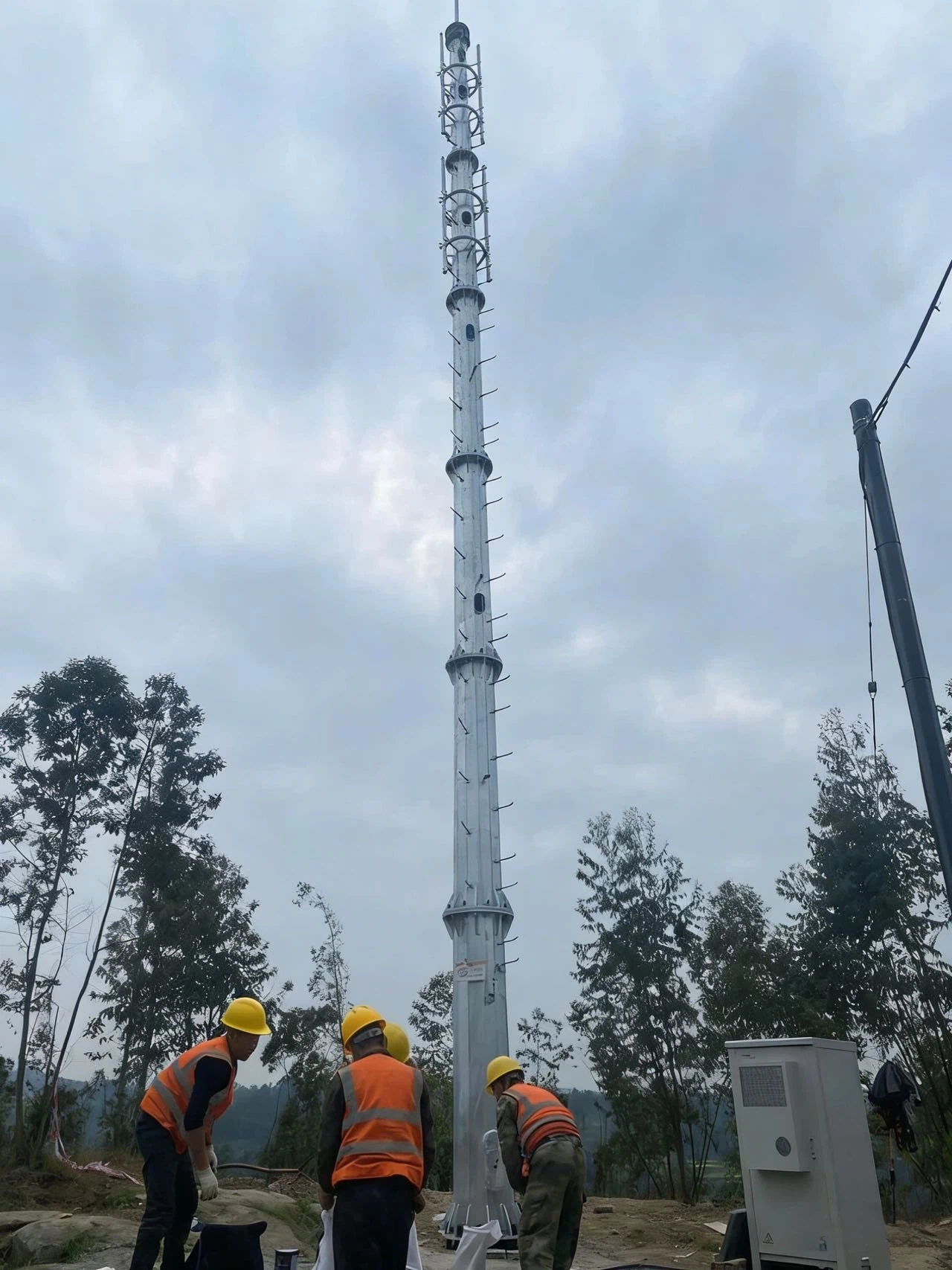
If you’re in the market for power towers, you’ve probably seen them everywhere—construction sites, event setups, even warehouse maintenance. As a power towers supplier of over 7 years, I’ve talked to tons of folks who’ve dealt with these machines, and let’s be real: they’re not perfect. A lot of the issues people run into are common, but they’re also totally fixable if you know what to look for. Today, I’m breaking down the most frequent problems we hear about, straight from the guys on the job who actually use these things. No jargon, just real talk.
First up—hydraulic leaks. This is the #1 complaint I get, hands down. You’ll see these towers use hydraulics to lift platforms, extend booms, lock stabilizers, everything. But over time, those hoses and seals take a beating. Dust, dirt, constant pressure cycles—they wear out way faster than most people expect. I had a guy last month bring a 3-year-old lift in because it was leaving puddles of hydraulic fluid on his job site. Turns out a small seal on the boom lift cylinder had cracked, and he’d been running it through mud without washing it out. Dirt got trapped, scratched the seal, and boom—leak. A lot of folks don’t realize that even a tiny leak (like a single drop a minute) can turn into a big problem fast. It doesn’t just waste fluid; it can cause the tower to lift unevenly, or even stop working mid-job. Pro tip? Check hoses and seals before every shift, and clean ‘em every week, especially if you’re working in dusty or muddy areas.
Next, platform instability when extending out. If you’ve ever stood on a power tower and tried to reach something way out on a boom, you know that wobble. A lot of newer operators think “it’s rated for this height, so it should be stable,” but that’s not the whole story. Stability depends on more than just the max lift rating—where you’re placing the weight, how level the ground is, and even how fast you’re extending the platform. We had a contractor last year who tried to reach a sign on a tall pole 20 feet out from the tower base. The ground was a little sloped (he’d cut corners and didn’t level the stabilizers all the way), and when he extended the boom that far, the tower started rocking. Lucky for him, he had a spotter, but it could’ve been way worse. Another thing: a lot of lower-end towers skimp on base stabilization. If you’re using a used tower that has thin stabilizer legs or missing locking pins, that’s a recipe for instability. We always tell our customers: level the ground first, lock every stabilizer pin, and never extend the boom further than the rated horizontal reach for your current height.
Then there’s battery and electrical issues, especially with electric or hybrid power towers. These days, most folks go electric to save on gas and emissions, but batteries can be a nightmare if you don’t maintain them. I’ve seen so many cases where operators leave their towers plugged in 24/7, even after the battery’s fully charged. That overcharging kills the cells within a year, and suddenly the tower dies mid-shift. Or they let the battery go totally dead—like, leave the tower unused for a month without charging it. Lead-acid batteries (still the most common) don’t handle deep discharges well, and once they’re dead too many times, they’re done. Even lithium-ion, which are more forgiving, need regular top-ups. On top of that, electrical connections get corroded from moisture—rain, sprinklers, even condensation in storage. A corroded terminal can make the tower randomly shut off, which is scary when you’re 30 feet up. Our team always reminds customers to disconnect the battery if the tower’s sitting for more than a week, clean terminals with a wire brush every 2 months, and never leave it overcharging.
Another big one: maneuverability problems, especially with rough terrain towers. A lot of people buy a power tower thinking it’ll handle any job site, but if the terrain’s rocky, uneven, or has deep ruts, you’ll regret it. Small, hard wheels (the kind you get on cheap models) don’t have much traction, so you’ll get stuck in mud or on loose gravel. Even larger wheels can be an issue if they’re not properly inflated—underinflated tires can get punctured easily, and overinflated makes the ride bumpy and hard to control. We had a landscaper who tried to use a standard power tower on a job with thick grass and wet soil. The wheels sunk in, and he couldn’t move it without four guys pushing. The fix? If you’re working on rough terrain, get a model with foam-filled tires or tracks—they grip way better and don’t go flat. Also, never try to drive the tower with the platform extended; that’s a surefire way to tip over or get stuck.
Wear and tear on structural components. Power towers are built to last, but they’re not indestructible. The booms, platforms, and frames take a ton of abuse from being dragged across job sites, bumped into walls or equipment, and even overloaded. A lot of operators will stack tools on the platform way above the rated capacity—like, the manual says 500 lbs, but they’re putting 700 lbs of lumber and tools up there. That bends the boom over time, which makes the tower less stable and can lead to structural damage. I had a guy bring in a tower that had a bent boom because he was using it to lift a air conditioner unit that was way too heavy. Instead of fixing it, he tried to bend it back straight, which made it even weaker—eventually, when he was lifting someone, the boom almost buckled. Also, don’t forget about the guardrails! If they get dented or loose, that’s a major safety hazard. We inspect every tower we sell before it leaves our lot, but a lot of customers skip regular inspections, so small dents turn into big problems.
Wait, and let’s not forget about parts availability. This is a huge one, especially if you’re buying a cheap, off-brand tower from a random online seller. We’ve had customers come to us with a tower they bought elsewhere, and when a seal breaks or a tire goes flat, they can’t find the part anywhere. The old brand went out of business, or the parts are custom-made, so they’re stuck waiting weeks or even months to get their tower fixed. At our company, we stock almost every common part for the towers we sell, so if someone needs a replacement seal or a new battery, we can ship it out the same day. But if you go with a no-name brand, you might be out of luck. We’ve seen guys pay $10k for a tower, then spend another $2k waiting for parts that never come. That’s a waste of money, honestly.
Another thing: operator training gaps. A lot of people think “if you can drive a forklift, you can use a power tower,” and that’s just not true. Power towers have different controls, weight limits, and safety protocols. I’ve seen operators who didn’t know how to level the stabilizers correctly, or who tried to move the tower while the platform was elevated. Last year, a customer’s employee tried to drive a 40-foot power tower across a parking lot while the platform was up, hit a pothole, and the tower tipped over. The operator was okay, but the tower was totaled. The company had only done a 1-hour online training, which wasn’t enough. We always tell our customers that proper training is non-negotiable. Even if you’re using a tower for a small job, take a few hours to learn the controls, safety limits, and how to handle common issues. It’s way cheaper than fixing a damaged tower or dealing with an injury.
Now, I know what some of you are thinking: “But power towers are so useful, why would I focus on problems?” Because if you’re going to invest in one (or already have one), knowing these issues helps you avoid them. The good news is, most of these problems are preventable. With regular maintenance, proper operation, and buying a quality tower from a supplier you can trust, you can cut down on headaches a ton.
At the end of the day, power towers are workhorses—they make jobs way easier, faster, and safer than ladders or scaffolding. But like any piece of equipment, they need care. If you’ve been dealing with any of these issues, or you’re in the market for a new or used power tower and want to make sure you get one that’s right for your jobs, hit us up to chat. We don’t just sell towers—we’ve been in the field, we know the common mistakes, and we can help you pick the right model, show you how to maintain it, and get you the parts you need when something breaks.
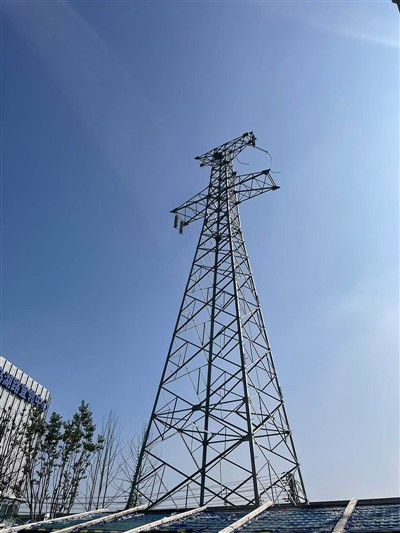
Don’t waste time and money on a tower that’ll give you constant issues. Let’s work together to find the perfect fit for your business, so you can get the job done right, without the headaches.
Overhead Line Tower References
OSHA. (2022). Powered Platforms and Hoists. Occupational Safety and Health Administration.
National Elevator Industry, Inc. (2021). Power Tower Inspection and Maintenance Guidelines.
Construction Equipment Association. (2020). Common Power Equipment Operational Hazards.
Hebei Yifeng Steel Structure Co., Ltd.
As one of the most professional power towers manufacturers and suppliers in China, we offer a wide range of products with superior quality. Please feel free to buy cost-efficient power towers for sale here from our factory. Contact us for more details.
Address: Guangchuan Town Industrial Zone, Jing County, Hengshui City, Hebei Province
E-mail: hbyfgjg@163.com
WebSite: https://www.yf-powertowers.com/
