Hey there! I’m a supplier of time servers, and today I wanna chat about whether a time server can be used in a smart city infrastructure. It’s a pretty interesting topic, and I think the answer is a big fat yes! Time Sever
The Need for Precise Time in Smart Cities
First off, let’s talk about why precise time is so crucial in smart cities. Smart cities are all about using technology to improve the quality of life for their residents, enhance efficiency, and manage resources better. And a lot of the tech that makes this happen relies on accurate timekeeping.
Take traffic management, for example. In a smart city, traffic lights can be synchronized based on real – time traffic data. This helps to reduce congestion and make the flow of vehicles smoother. But for this to work properly, all the traffic lights need to have the exact same time. If one traffic light is a few seconds off, it can mess up the whole system and cause more traffic jams.
Another area is public transportation. Buses, trains, and subways are often part of a complex network. Schedules need to be coordinated precisely so that passengers can transfer between different modes of transport easily. A time server can ensure that all the clocks on the vehicles, at the stations, and in the control centers are in sync. This means fewer delays and a more reliable public transport system.
Smart grids are also a big part of a smart city. They manage the distribution of electricity more efficiently by adjusting the supply based on demand. For this, all the devices in the grid, like smart meters and power generation units, need to record and transmit data at the same time. Without accurate time, the data can be misinterpreted, leading to power outages or inefficient energy use.
How Time Servers Work
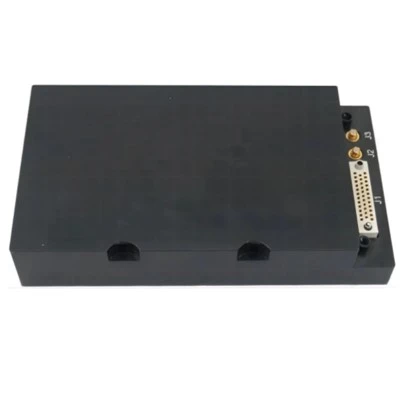
So, how do time servers fit into all this? A time server is a device that provides accurate time information to other devices on a network. It gets its time from a highly accurate time source, like an atomic clock or a GPS satellite.
When connected to a network, the time server sends out time signals at regular intervals. Other devices on the network, such as traffic controllers, public transport systems, and smart grid devices, can then synchronize their internal clocks with the time server. This ensures that all the devices are operating on the same timeline.
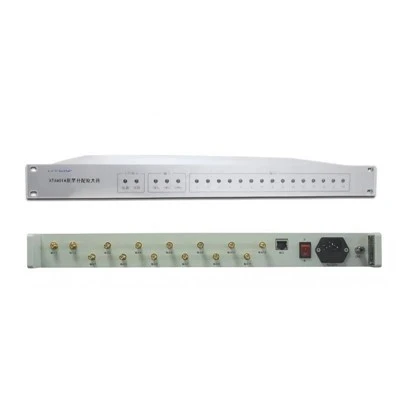
There are different types of time servers. Some are standalone devices that can be installed in a central location, like a data center. Others are software – based and can be run on existing servers. As a time server supplier, I offer a range of options to suit different needs and budgets.
Benefits of Using Time Servers in Smart Cities
Now, let’s look at the benefits of using time servers in a smart city.
Improved Efficiency
As I mentioned earlier, accurate time synchronization can make systems more efficient. In traffic management, synchronized traffic lights can reduce the time vehicles spend idling at intersections, which saves fuel and reduces emissions. In public transportation, coordinated schedules can lead to better utilization of resources and fewer empty trips. And in smart grids, accurate time helps to optimize energy distribution and reduce waste.
Enhanced Safety
Precise time is also important for safety. For example, in a smart city’s emergency response system, different agencies need to work together quickly. If the clocks on their devices are not in sync, it can lead to delays in communication and response times. A time server ensures that all emergency responders are on the same page, which can save lives in critical situations.
Better Data Management
In a smart city, a huge amount of data is generated from various sensors and devices. Accurate time stamps on this data are essential for analysis and decision – making. For instance, if you’re analyzing traffic patterns, you need to know exactly when each vehicle passed through a certain point. A time server can provide the accurate time stamps necessary for this kind of data analysis.
Challenges and Solutions
Of course, implementing time servers in a smart city infrastructure isn’t without its challenges. One of the main challenges is the physical distribution of devices. In a large city, there may be thousands of devices spread over a wide area that need to be synchronized. Wi – Fi and other wireless networks may have signal interference, which can affect the transmission of time signals.
To overcome this, we can use a combination of wired and wireless communication methods. For devices in buildings or areas with good network coverage, wired connections can provide a more stable and reliable way to receive time signals. For outdoor devices or those in hard – to – reach areas, wireless technologies like LoRaWAN or 5G can be used, along with signal boosters if necessary.
Another challenge is the security of the time server system. Since time synchronization is critical for many smart city functions, it can be a target for hackers. To address this, we use encryption techniques to protect the time signals during transmission. Our time servers also have built – in security features, such as authentication mechanisms, to ensure that only authorized devices can access the time information.
Real – World Examples
There are already some real – world examples of time servers being used in smart cities. Some European cities have implemented time – synchronized traffic management systems. By using time servers to ensure that all traffic lights are in sync, these cities have seen significant reductions in traffic congestion and air pollution.
In Asia, some smart cities have integrated time servers into their smart grids. This has improved the efficiency of energy distribution and reduced the frequency of power outages. The accurate time synchronization allows the grid to better respond to changes in energy demand and supply.
Conclusion
In conclusion, time servers can definitely be used in a smart city infrastructure, and they offer a whole bunch of benefits. From improving efficiency and safety to better data management, the role of accurate timekeeping in smart cities cannot be overstated. As a time server supplier, I’m excited about the potential of our products in creating more intelligent and sustainable cities.
Time and Frequency Synchronization If you’re involved in planning or implementing a smart city project and think a time server could be a good fit for your needs, I’d love to chat. We can discuss your specific requirements and find the best time server solution for you. Don’t hesitate to reach out, and let’s work together to make your smart city even smarter!
References
- "Smart City Technologies: Concepts and Applications" by Paul Pangaro
- "The Future of Timekeeping in Modern Networks" by Time and Frequency Journal
- "Case Studies in Smart City Infrastructure Implementations" by Urban Technology Review
China Go-Sat Microwave Co., Ltd.
China Go-Sat Microwave Co., Ltd. is one of the most professional time sever manufacturers and suppliers in China. With abundant experience, we warmly welcome you to buy advanced time sever made in China here and get quotation from our factory. All customized products are with high quality and competitive price.
Address: No. 3908 ShiBo Avenue, Baqiao District, Xi’an, China
E-mail: sales@go-satcom.com
WebSite: https://www.go-satcom.com/
