As a supplier of overhead electrical wires, I’ve had numerous discussions with clients, engineers, and enthusiasts about the intricate process of connecting overhead electrical wires to generators. This connection is a critical aspect of power distribution, ensuring that electricity generated at the source can be safely and efficiently transported to end – users. Overhead Electrical Wire

Understanding the Basics of Generators
Generators are the heart of any power generation system. They convert mechanical energy into electrical energy through the principle of electromagnetic induction. This involves a rotating magnetic field interacting with stationary conductors to produce an electric current. The type of generator can vary widely, from small portable units used for backup power to large industrial – scale generators in power plants.
For instance, in a coal – fired power plant, the heat from burning coal is used to produce steam. This steam then drives a turbine, which is connected to a generator. As the turbine spins, it rotates the generator’s rotor, creating a magnetic field that induces an electric current in the stator windings. In a hydroelectric power plant, the force of falling water turns the turbines, which in turn spin the generators.
The Role of Overhead Electrical Wires
Overhead electrical wires serve as the arteries of the power grid, transporting electricity from generators to substations and ultimately to consumers. These wires are designed to carry high – voltage electricity over long distances with minimal loss. They are typically made of materials like aluminum or copper due to their excellent electrical conductivity.
Aluminum is a popular choice for overhead wires because it is lightweight, relatively inexpensive, and has good conductivity. Copper, on the other hand, has even higher conductivity but is more expensive and heavier. The choice between the two depends on various factors such as cost, distance, and the amount of power to be transmitted.
Connecting Overhead Wires to Generators
The process of connecting overhead electrical wires to generators is a multi – step and highly technical procedure.
Step 1: Generator Output and Switchgear
The electricity generated by the generator first passes through switchgear. Switchgear is a collection of electrical disconnect switches, fuses, or circuit breakers used to control, protect, and isolate electrical equipment. It ensures that the electricity leaving the generator is at the correct voltage and frequency and can be safely transferred to the overhead lines.
The switchgear also provides a means of disconnecting the generator from the grid for maintenance or in case of a fault. For example, if there is a short – circuit in the overhead lines, the switchgear can quickly isolate the generator to prevent damage.
Step 2: Transformers
After passing through the switchgear, the electricity is sent to a transformer. Transformers are essential for changing the voltage of the electrical current. In most cases, the voltage produced by the generator is relatively low, and it needs to be stepped up to a higher voltage for efficient long – distance transmission.
A step – up transformer increases the voltage while decreasing the current. This is important because lower current reduces the power loss in the overhead wires, as power loss is proportional to the square of the current (P = I²R, where P is power loss, I is current, and R is resistance).
Step 3: Transmission Towers and Insulators
Once the voltage has been stepped up, the electricity is ready to be sent through the overhead electrical wires. These wires are supported by transmission towers, which are tall structures made of steel or concrete. The towers are designed to withstand various environmental conditions, such as wind, ice, and earthquakes.
Insulators are used to separate the electrical wires from the towers and prevent the electricity from flowing into the ground. They are typically made of materials like porcelain or composite polymers, which have high electrical resistance.
Step 4: Connection to the Grid
The overhead electrical wires are then connected to the power grid. The grid is a complex network of transmission and distribution lines that connects power plants, substations, and consumers. The connection to the grid must be carefully coordinated to ensure that the electricity is distributed evenly and that the grid remains stable.
Safety Considerations
Safety is of utmost importance when connecting overhead electrical wires to generators. Workers involved in the installation and maintenance of these connections must follow strict safety protocols. This includes wearing appropriate personal protective equipment (PPE), such as insulated gloves and helmets, and following proper lock – out/tag – out procedures to prevent accidental energization of the equipment.
In addition, the design and installation of the overhead electrical wires and associated equipment must comply with national and international safety standards. For example, the wires must be installed at a safe height to prevent contact with people or objects on the ground.
Challenges in Connecting Overhead Wires to Generators
There are several challenges associated with connecting overhead electrical wires to generators. One of the main challenges is the distance between the generator and the load. As the distance increases, the resistance of the wires also increases, leading to higher power losses. To overcome this, engineers may need to use larger – diameter wires or higher – voltage transmission.
Another challenge is the environmental impact. Overhead electrical wires can have an impact on wildlife, especially birds. Birds may perch on the wires or collide with them, leading to injury or death. To mitigate this, engineers can use bird – friendly designs, such as installing bird guards on the wires.
The Future of Overhead Electrical Wire Connections
The future of overhead electrical wire connections is likely to be influenced by technological advancements. For example, the development of smart grids will enable more efficient monitoring and control of the power grid. This will allow for better management of power flow, reducing power losses and improving the reliability of the system.
In addition, the use of new materials and technologies may lead to the development of more efficient and environmentally friendly overhead electrical wires. For example, the use of high – temperature superconducting materials could significantly reduce power losses in the transmission lines.
Why Choose Our Overhead Electrical Wires
As a supplier of overhead electrical wires, we offer a wide range of products that are designed to meet the highest standards of quality and safety. Our wires are made from high – quality materials and are tested to ensure that they can withstand various environmental conditions.
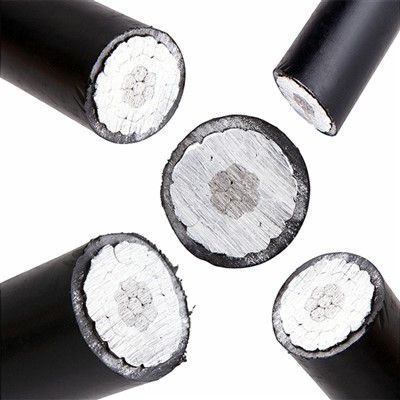
We also provide excellent customer service, working closely with our clients to understand their specific needs and provide customized solutions. Whether you are a power plant operator, an electrical contractor, or a utility company, we can help you find the right overhead electrical wires for your project.
Aluminum Clad Steel Wire If you are interested in learning more about our overhead electrical wires or would like to discuss a potential project, we encourage you to contact us. Our team of experts is ready to assist you in making the right choice for your power distribution needs.
References
- Grover, S. L. (2018). Electrical Power Systems. New Age International.
- Stevenson, W. D. (2012). Elements of Power System Analysis. McGraw – Hill.
- Chapman, S. J. (2012). Electric Machinery Fundamentals. McGraw – Hill.
Hebei Hualun Cable Co., Ltd.
As one of the leading overhead electrical wire manufacturers and suppliers in China, we offer a wide range of products with superior quality. We warmly welcome you to buy cheap overhead electrical wire for sale here from our factory. For price consultation, contact us.
Address: XINGBIEYING INDUSTRIAL ZONE, HEBEI PROVINCE CHINA
E-mail: steven@hualunchcable.com
WebSite: https://www.hualuncables.com/
