What is the function of a CT PT Analyzer?
As a supplier of CT PT Analyzers, I’ve witnessed firsthand the transformative impact these devices have on the electrical power industry. In this blog post, I’ll delve into the functions of a CT PT Analyzer, exploring its significance and how it contributes to the efficient and safe operation of electrical systems. CT PT Analyzer
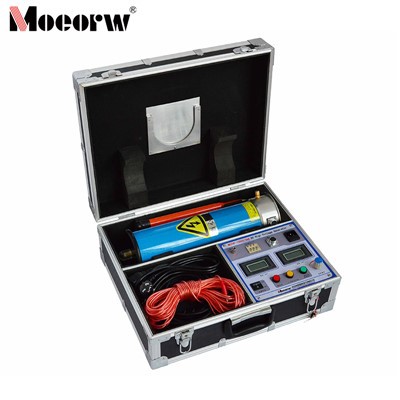
Understanding CT and PT
Before we dive into the functions of a CT PT Analyzer, let’s first understand what CT and PT are. CT stands for Current Transformer, and PT stands for Potential Transformer, also known as a Voltage Transformer. These are essential components in electrical power systems, used to measure current and voltage respectively.
Current transformers step down high currents to a level that can be safely measured and used by monitoring and protection devices. They are commonly used in metering, protection, and control applications in power systems. Potential transformers, on the other hand, step down high voltages to a lower, more manageable level for measurement and protection purposes.
Key Functions of a CT PT Analyzer
1. Accuracy Testing
One of the primary functions of a CT PT Analyzer is to test the accuracy of current and potential transformers. Accurate measurement of current and voltage is crucial for the proper operation of electrical power systems. Any inaccuracies in CT or PT measurements can lead to incorrect metering, improper protection operation, and potential safety hazards.
A CT PT Analyzer can measure the ratio error and phase displacement of CTs and PTs. Ratio error is the difference between the actual transformation ratio and the rated transformation ratio, while phase displacement is the angular difference between the primary and secondary quantities. By accurately measuring these parameters, the analyzer can determine whether the CT or PT is operating within acceptable limits.
2. Polarity Testing
Polarity testing is another important function of a CT PT Analyzer. The polarity of a CT or PT must be correctly established to ensure the proper operation of protection and metering devices. Incorrect polarity can lead to false tripping of protective relays or inaccurate metering.
A CT PT Analyzer can quickly and accurately determine the polarity of CTs and PTs. This is typically done by applying a test signal to the primary winding and measuring the resulting signal on the secondary winding. The analyzer can then display whether the polarity is correct or incorrect, allowing for immediate corrective action if necessary.
3. Insulation Testing
Insulation testing is essential for ensuring the safety and reliability of CTs and PTs. Over time, the insulation of these devices can degrade due to factors such as aging, environmental conditions, and electrical stress. A CT PT Analyzer can perform insulation resistance tests to measure the resistance of the insulation between the windings and the ground.
Low insulation resistance values may indicate insulation damage or moisture ingress, which can pose a significant safety risk. By regularly performing insulation tests using a CT PT Analyzer, potential problems can be detected early, allowing for timely maintenance or replacement of the CT or PT.
4. Magnetizing Curve Testing
The magnetizing curve of a CT or PT provides valuable information about its magnetic properties. It shows the relationship between the magnetizing current and the magnetic flux density in the core of the transformer. A CT PT Analyzer can measure the magnetizing curve of CTs and PTs, which can be used to assess the performance and health of the device.
Deviations from the expected magnetizing curve can indicate problems such as core saturation, short – circuited turns, or magnetic core damage. By analyzing the magnetizing curve, engineers can identify potential issues and take appropriate measures to prevent equipment failure.
5. Load Testing
Load testing is used to evaluate the performance of CTs and PTs under different load conditions. A CT PT Analyzer can simulate various load conditions and measure the output of the CT or PT. This helps to ensure that the transformer can accurately measure current or voltage under real – world operating conditions.
Load testing can also be used to verify the accuracy of the CT or PT in different applications, such as in high – impedance or low – impedance circuits. By performing load tests, the analyzer can provide valuable information about the performance of the CT or PT, allowing for optimal system design and operation.
Applications of CT PT Analyzers
CT PT Analyzers are widely used in various applications in the electrical power industry, including:
1. Power Generation
In power generation plants, CT PT Analyzers are used to test and maintain the accuracy and reliability of current and potential transformers. This is crucial for ensuring the proper operation of generators, turbines, and other power generation equipment. By regularly testing CTs and PTs, power generation companies can prevent equipment failures and ensure the efficient production of electricity.
2. Transmission and Distribution
In transmission and distribution systems, CT PT Analyzers are used to test and calibrate CTs and PTs at substations and along power lines. Accurate measurement of current and voltage is essential for the proper operation of protection relays, metering devices, and control systems. By using CT PT Analyzers, utility companies can ensure the safe and reliable transmission and distribution of electricity.
3. Industrial Facilities
Industrial facilities, such as manufacturing plants and refineries, rely on CTs and PTs for power monitoring, control, and protection. CT PT Analyzers are used to test and maintain these transformers to ensure the efficient operation of industrial equipment and to prevent electrical accidents. By regularly testing CTs and PTs, industrial facilities can minimize downtime and improve productivity.
Why Choose Our CT PT Analyzers?

As a leading supplier of CT PT Analyzers, we offer a range of high – quality products that are designed to meet the diverse needs of our customers. Our CT PT Analyzers are known for their accuracy, reliability, and ease of use.
- Advanced Technology: Our analyzers are equipped with the latest technology, allowing for precise measurement of CT and PT parameters. They feature high – resolution displays, intuitive user interfaces, and advanced data analysis capabilities.
- Comprehensive Functionality: Our CT PT Analyzers offer a wide range of functions, including accuracy testing, polarity testing, insulation testing, magnetizing curve testing, and load testing. This comprehensive functionality makes them suitable for a variety of applications in the electrical power industry.
- Reliability and Durability: We understand the importance of reliability in the electrical power industry. That’s why our CT PT Analyzers are built to withstand harsh environments and heavy use. They are designed for long – term operation and require minimal maintenance.
Generator Testing Equipment If you are in the market for a CT PT Analyzer, we invite you to contact us to discuss your specific requirements. Our team of experts is ready to provide you with detailed product information, technical support, and pricing. We are committed to helping you find the right CT PT Analyzer for your needs and to ensuring your complete satisfaction.
References
- Blume, E. F., Boyajian, G. B., & Lewis, D. A. (1955). Current and potential transformers. John Wiley & Sons.
- Greenwood, A. (1986). Electrical transients in power systems. John Wiley & Sons.
- IEEE Standard C57.13 – 2016, IEEE Standard Requirements for Instrument Transformers.
Wuhan Moen Intelligent Electric Co., Ltd.
As one of the most professional ct pt analyzer manufacturers in China, we’re featured by quality products and good price. Please rest assured to buy high quality ct pt analyzer in stock here and get quotation from our factory. Customized orders are welcome.
Address: Building A, No.1, Fenghuangyuan 2nd Road, Donghu New Technology Development Zone, Wuhan, Hubei, China
E-mail: info@hvhipotsystem.com
WebSite: https://www.hvhipotsystem.com/
