Insertion and extraction forces are critical parameters in the performance and usability of industrial connectors. As an industrial connectors supplier, I’ve witnessed firsthand how these forces can significantly impact the functionality and longevity of our products. In this blog, I’ll delve into what insertion and extraction forces are, why they matter, and how we ensure optimal force characteristics in our industrial connectors. Industrial Connectors
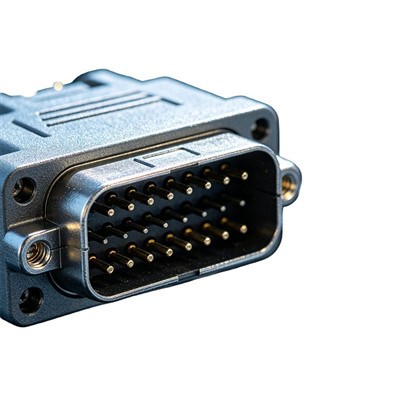
Understanding Insertion and Extraction Forces
Insertion force refers to the amount of force required to mate two connector parts together. It’s the physical effort needed to push the male and female components of a connector into a fully engaged position. On the other hand, extraction force is the force necessary to separate these mated connector parts. These forces are typically measured in newtons (N) and are influenced by several factors.
One of the primary factors affecting insertion and extraction forces is the contact design. The shape, size, and material of the contacts play a crucial role. For example, spring – type contacts are designed to provide a secure electrical connection. When inserting the connector, the springs need to be compressed, which requires a certain amount of force. The more complex the spring design or the higher the spring constant, the greater the insertion force.
The plating on the contacts also impacts these forces. High – quality plating materials, such as gold or silver, not only improve electrical conductivity but also reduce friction. A smooth and low – friction plating can lower both insertion and extraction forces, making the connector easier to use. However, if the plating is damaged or of poor quality, it can increase friction and lead to higher forces.
Another factor is the alignment of the connector parts. Misaligned connectors require more force to insert and extract. In industrial environments, where connectors are often used in tight spaces or under less – than – ideal conditions, proper alignment can be a challenge. Our company invests a great deal in precision manufacturing to ensure that our connectors have excellent alignment features, reducing the forces required for insertion and extraction.
Why Insertion and Extraction Forces Matter
The importance of appropriate insertion and extraction forces cannot be overstated. From a user’s perspective, excessive insertion force can make it difficult to connect the connectors, especially in applications where multiple connectors need to be mated quickly. This can lead to user fatigue and even potential injuries, such as repetitive strain injuries. In some cases, users may be tempted to use tools or excessive force to mate the connectors, which can damage the connectors or the equipment they are attached to.
On the other hand, if the extraction force is too high, it can be challenging to disconnect the connectors when maintenance or replacement is required. This can slow down the repair or upgrade process, increasing downtime for industrial equipment. In critical applications, such as in the aerospace or medical industries, even a short period of downtime can have serious consequences.
From a performance perspective, improper insertion and extraction forces can affect the electrical connection. If the insertion force is too low, the contacts may not be fully engaged, leading to a poor electrical connection, increased resistance, and potential signal loss or power fluctuations. Conversely, if the extraction force causes excessive stress on the contacts, it can damage the contact surfaces, also degrading the electrical performance over time.
How We Ensure Optimal Insertion and Extraction Forces
As an industrial connectors supplier, we have a comprehensive approach to ensuring that our connectors have the right insertion and extraction forces. First, we conduct extensive research and development on contact designs. Our engineering team is constantly exploring new contact geometries and materials to optimize the balance between electrical performance and force requirements.
We use advanced simulation tools to predict the insertion and extraction forces of different connector designs before they are manufactured. These simulations take into account factors such as contact material properties, spring characteristics, and plating friction coefficients. By using simulation, we can make design adjustments early in the process, reducing the time and cost associated with physical prototyping.
In the manufacturing process, we maintain strict quality control. Our production facilities are equipped with state – of – the – art machinery that can produce connectors with high precision. We use automated assembly processes to ensure consistent alignment of the connector parts, which helps to keep the insertion and extraction forces within the specified range.
We also perform rigorous testing on our connectors. Each batch of connectors undergoes insertion and extraction force testing, where the forces are measured using specialized force – measuring equipment. If the measured forces are outside the acceptable tolerance range, the batch is either re – worked or rejected. This ensures that only connectors with optimal force characteristics reach our customers.
Industry – Specific Considerations
Different industries have different requirements when it comes to insertion and extraction forces. In the automotive industry, for example, connectors need to be easy to install during the assembly process. However, they also need to withstand vibrations and mechanical stresses during the vehicle’s operation. Our automotive connectors are designed with moderate insertion and extraction forces that allow for easy installation on the production line while still maintaining a secure connection under harsh conditions.
In the telecommunications industry, where high – density connectors are commonly used, low insertion and extraction forces are essential. These connectors are often inserted and removed multiple times during network installation and maintenance. Our telecommunications connectors are engineered to have very low forces, enabling technicians to work efficiently without causing damage to the connectors.
In the industrial automation sector, connectors need to be robust and reliable. They are often used in harsh environments with high levels of dust, moisture, and temperature variations. Our industrial automation connectors are designed with a balance of insertion and extraction forces that ensure a secure connection while still being easy to install and remove during maintenance.
Conclusion
Insertion and extraction forces are fundamental aspects of industrial connectors’ performance and usability. As an industrial connectors supplier, we understand the importance of these forces and are committed to providing our customers with connectors that have optimal force characteristics. Our research, development, manufacturing, and testing processes are all focused on ensuring that our connectors meet the highest standards in terms of insertion and extraction forces.
Automotive Connector If you are in the market for high – quality industrial connectors and want to discuss your specific requirements regarding insertion and extraction forces, we would be delighted to engage in a procurement conversation with you. Our team of experts is ready to provide you with the best solutions tailored to your needs.
References
- "Connectors for Electronic Systems: Theory and Design" by Ronald B. Johnson
- "Handbook of Electrical Contacts" by Evert Holm
- "Industrial Connector Standards and Guidelines" published by relevant industry associations
Modelon Precision Industry (Suzhou) Co., Ltd.
With abundant experience, we are one of the most professional industrial connectors manufacturers and suppliers in China. Welcome to buy customized industrial connectors at competitive price from our factory. If you have any enquiry about pricelist, please feel free to email us.
Address: 1st Floor, Building 22, No. 2628 North Gate Road, Kunshan City, Jiangsu Province, P.R.China
E-mail: jessica_huang2025@163.com
WebSite: https://www.modeloncn.com/
