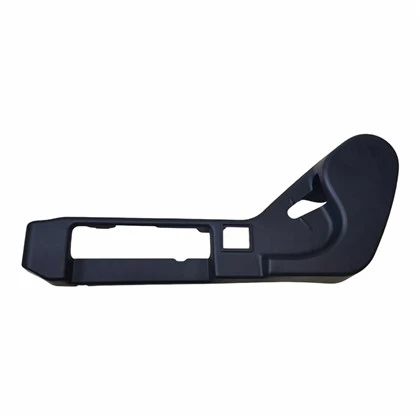
Hey there! As a supplier of seat systems, I’ve been thinking a lot about what goes into designing the perfect seats for libraries. Libraries are unique spaces, and the seats need to be just right to meet the needs of all the different people who use them. So, let’s dive into the key design considerations for seat systems in a library. Seat Systems
Comfort is King
First off, comfort is non – negotiable. People come to libraries to read, study, or just soak up the quiet atmosphere. They’ll be sitting for long periods, so the seats have to be comfortable.
The seat cushion is a crucial part. It should have the right amount of padding. Too soft, and you’ll sink in and end up feeling like you’re being swallowed. Too hard, and your butt will start to ache after just a few minutes. A good quality foam with medium firmness usually does the trick. It provides support while still being comfortable.
The backrest is another important element. It should have an ergonomic design that follows the natural curve of the spine. This helps prevent back pain, especially for those who are hunched over books or laptops for hours. Adjustable backrests are a great option. They allow users to customize the angle to their comfort level, whether they’re sitting upright to read or leaning back to relax a bit.
Also, the height of the seat matters. It needs to be at a level where people’s feet can rest flat on the floor. This keeps their legs in a natural and comfortable position, reducing the strain on their legs and lower back.
Durability and Maintenance
Libraries are busy places, and the seats are going to get a lot of use. They need to be built to last. I’ve seen some libraries that have had to replace seats every few years because they just couldn’t stand up to the wear and tear.
When it comes to materials, the frame is a key factor. Metal frames are often a great choice. They’re strong and can handle a lot of weight and movement. Steel or aluminum frames are both popular. Steel is very sturdy but can be a bit heavy. Aluminum is lighter and more corrosion – resistant, which is a plus if the library has any areas with high humidity.
The upholstery is also important for durability. You want a fabric or leather that can withstand spills, stains, and regular cleaning. Synthetic fabrics like polyester blends are often a good option. They’re easy to clean, resistant to stains, and can be quite tough. Leather is also a classic choice, but it can be more expensive and may require more maintenance.
Maintenance is something to consider too. The seats should be easy to clean. Removable seat cushions and backrest covers are a great feature. They can be taken off and washed or replaced if they get too dirty or damaged.
Flexibility and Versatility
Libraries have different types of spaces and different needs. The seat systems should be flexible and versatile enough to adapt to these changes.
One aspect is the ability to arrange the seats in different configurations. Some libraries may want to have long rows of seats for study areas, while others might prefer to create small groupings for collaborative work. Seats that can be easily moved and re – arranged are a huge plus.
Modular seat systems are a great solution. They consist of individual units that can be combined in different ways. You can add or remove seats as needed, depending on the space available and the number of users. This also makes it easier to expand or re – design the library seating in the future.
Another form of flexibility is the ability to accommodate different types of users. There should be seats for people of all sizes, including those with disabilities. Wheelchair – accessible seating areas need to be incorporated into the design. This might mean having some wider seats or creating open spaces where wheelchairs can easily maneuver.
Aesthetics and Ambiance
The seats in a library should fit in with the overall aesthetic and ambiance of the space. Libraries are often places of learning and tranquility, so the seats should contribute to that feeling.
The color and style of the seats are important. You don’t want something that’s too flashy or out of place. Neutral colors like beige, gray, or brown are often a safe bet. They can blend in with the library’s decor and create a calming atmosphere.
The design of the seats should also be in line with the library’s architecture. If it’s a modern, minimalist library, sleek and simple seat designs would be a good fit. For a more traditional library, seats with classic details and a more ornate look might be more appropriate.
Lighting can also play a role in how the seats are perceived. Adequate lighting around the seating areas not only makes it easier to read but also enhances the overall look of the seats. It can highlight their features and make the space more inviting.
Noise Reduction
In a library, silence is golden. The seats should be designed in a way that they don’t contribute to noise.
One way to achieve this is through the choice of materials. Seats that have a lot of plastic or hard surfaces can be noisy when people move around. Soft materials, like padded seats and fabric upholstery, tend to absorb sound better.
The construction of the seat also matters. Loose parts or joints can rattle and make noise. A well – built seat with tight connections and no loose parts will be much quieter.
Cost – Effectiveness
Let’s face it, libraries often have limited budgets. So, the seat systems need to be cost – effective.
When choosing the seats, it’s important to look at the long – term costs. A cheaper seat that only lasts a couple of years may end up being more expensive in the long run than a higher – quality, more durable seat that costs a bit more upfront.
You also want to consider the value for money. Seats that offer a lot of features, like adjustable backrests, removable covers, and modular designs, may cost more but can provide a lot more functionality and flexibility. It’s about finding the right balance between cost and quality.
Safety
Safety is always a top priority. The seats should be stable and not prone to tipping over. This is especially important in a public space like a library where there are people of all ages using the seats.
The edges of the seats should be smooth to prevent any cuts or injuries. There should also be no sharp or protruding parts that could cause harm.
If the seats have any moving parts, like adjustable backrests or swivel mechanisms, they should be designed in a way that they don’t pose a safety risk. For example, there should be no pinch points where fingers could get caught.
Connectivity
In today’s digital age, many people bring their laptops or tablets to the library. So, it’s a great idea to incorporate some form of connectivity into the seat design.
This could mean having built – in charging ports, either for USB devices or for larger electronics. Some libraries are also starting to install Wi – Fi access points near the seating areas. Having the seats designed in a way that they can support these connectivity features further enhances the user experience.
Conclusion
So, there you have it! These are the main design considerations for seat systems in a library. Comfort, durability, flexibility, aesthetics, noise reduction, cost – effectiveness, safety, and connectivity all play important roles in creating the perfect seating solution for a library.
Rear Spoiler Systems If you’re in charge of a library or involved in a library project and are looking for high – quality seat systems that meet all these requirements, I’d love to hear from you. We’re a seat systems supplier that understands the unique needs of libraries. We can work with you to design and supply the perfect seats for your space. Just reach out to us, and let’s start a conversation about how we can make your library seating even better.
References
- Ergonomics in Seating Design: A Guide for Public Spaces. A handbook on ergonomic principles for seating in public areas.
- Library Design and Furniture Trends. A report on the latest trends in library design and the role of furniture.
- Durable Materials for Furniture: A Comparison. An article comparing different materials used in furniture construction for durability.
Hebei Xiujie Auto Parts Co., Ltd.
As one of the most professional seat systems manufacturers and suppliers in China, we have world-leading production equipment and strong manufacturing capabilities. Please feel free to wholesale bulk customized seat systems from our factory. Contact us for quotation and free sample.
Address: Industrial New Area, Wen’an County, Langfang City, Hebei Province (State-run Xiaowu Farm)
E-mail: runtaoli87@gmail.com
WebSite: https://www.xiujie-cn.com/
