Hey there! I’m an organic acids supplier, and I’ve been in this business for quite a while. One of the most common questions I get from customers is how organic acids influence the growth of microorganisms. It’s a super interesting topic, and I’m stoked to share what I know with you. Organic Acids
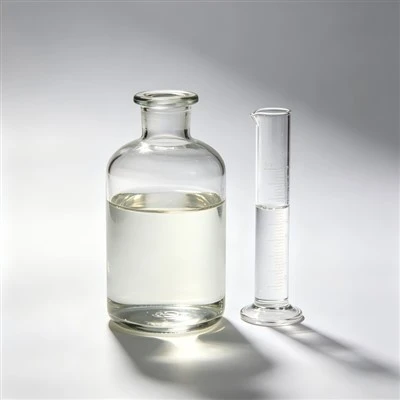
First off, let’s talk about what organic acids are. Organic acids are basically compounds that have acidic properties and contain carbon atoms. You can find them in all sorts of natural sources, like fruits, vegetables, and even in our own bodies. Some well – known organic acids include acetic acid (the stuff in vinegar), citric acid (found in citrus fruits), and lactic acid (produced during muscle activity).
Now, how do these organic acids mess with the growth of microorganisms? Well, one of the main ways is by changing the pH of the environment. Microorganisms have an ideal pH range in which they can grow and thrive. Most bacteria prefer a slightly neutral to slightly alkaline environment, around pH 6.5 – 7.5. When you introduce organic acids into their surroundings, the acids release hydrogen ions, which lower the pH and make the environment more acidic.
Take lactic acid, for example. In the food industry, lactic acid is often used as a preservative. When lactic acid is added to food products, it creates an acidic environment that many spoilage – causing bacteria don’t like. The low pH disrupts the normal functioning of the bacteria’s enzymes. Enzymes are like the little workers in the cell that carry out all the chemical reactions needed for the bacteria to grow, reproduce, and survive. When the pH is outside their optimal range, these enzymes can’t work properly, and the bacteria’s growth slows down or even stops altogether.
Another way organic acids affect microorganisms is through their ability to penetrate the cell membrane. The cell membrane is like the security guard of the microorganism. It controls what goes in and out of the cell. Some organic acids are small and uncharged in their undissociated form, which means they can easily pass through the cell membrane.
Once inside the cell, the acidic environment inside the cell causes the acid to dissociate into its ions. This change in the internal chemistry of the cell can mess up a whole bunch of things. For instance, it can disrupt the cell’s osmotic balance. Osmosis is the movement of water across the cell membrane, and maintaining the right balance of water is crucial for the cell to function properly. If too much water leaves the cell due to the changes in ion concentration caused by the organic acid, the cell can shrink and die.
Let’s look at acetic acid. In pickling, acetic acid is used to preserve vegetables. The acetic acid molecules can cross the cell membranes of bacteria and fungi present on the vegetables. Once inside, they disrupt the normal metabolic processes of these microorganisms. The bacteria can’t produce energy as efficiently, and they can’t replicate their DNA properly. This leads to a decrease in the number of viable microorganisms, which means the vegetables stay fresh for longer.
But it’s not all about killing off microorganisms. Some organic acids can actually promote the growth of certain beneficial microorganisms. For example, propionic acid is an organic acid that can be found in some fermented foods. In the rumen of cows, propionic acid – producing bacteria play a crucial role in the digestion of cellulose. These bacteria break down the tough plant fibers in the cow’s diet and produce propionic acid as a by – product. The propionic acid is then absorbed by the cow and used as an energy source. So, in this case, the organic acid is a result of the microbial activity and also supports the overall health and growth of the host animal.
In the field of probiotics, organic acids are also important. Probiotic bacteria, like Lactobacillus species, produce lactic acid as they ferment carbohydrates. The lactic acid they produce not only helps to preserve the probiotic product but also creates an environment where these beneficial bacteria can outcompete harmful bacteria. The acidic environment created by the lactic acid makes it difficult for pathogens to grow, allowing the probiotic bacteria to colonize the gut and provide health benefits to the host.
Now, from a supplier’s perspective, I know that different organic acids have different effects on different microorganisms. That’s why it’s so important to choose the right organic acid for your specific needs. If you’re in the food industry and you want to preserve a product with a long shelf – life, you might choose an acid like benzoic acid. Benzoic acid is effective against a wide range of fungi and bacteria, and it’s commonly used in products like fruit juices and jams.
On the other hand, if you’re working in the agricultural sector and you want to promote the growth of beneficial soil microorganisms, you might consider using humic acid. Humic acid can improve soil structure and provide a source of nutrients for soil bacteria and fungi. It also has the ability to chelate metals, which can make the soil more fertile and support the growth of healthy plants.
I’ve seen firsthand how the right choice of organic acid can make a huge difference in various industries. Whether it’s in food production, agriculture, or even in the pharmaceutical industry, organic acids play a vital role in controlling the growth of microorganisms.
If you’re in the market for organic acids and you’re not sure which one is right for your application, don’t worry. I’m here to help. I’ve got a team of experts who can answer all your questions and guide you through the process of choosing the best organic acid for your specific needs. We offer a wide range of high – quality organic acids at competitive prices.
Whether you’re looking to preserve your food products, improve your soil quality, or develop a new probiotic formula, we’ve got you covered. Just reach out to us, and we can start a conversation about how our organic acids can benefit your business. We’re always happy to have a chat and see how we can work together to achieve your goals.
So, if you’re interested in learning more or want to start a procurement discussion, don’t hesitate to get in touch. I’m looking forward to hearing from you and helping you find the perfect organic acid solution.
Food & Cosmetic Additives References
- Madigan, M. T., Martinko, J. M., Bender, K. S., Buckley, D. H., & Stahl, D. A. (2018). Brock Biology of Microorganisms. Pearson.
- Davidson, P. M., & Harrison, M. A. (2002). Antimicrobial Food Preservatives. Marcel Dekker.
- Paul, E. A., & Clark, F. E. (1996). Soil Microbiology and Biochemistry. Academic Press.
Shanghai Dingwujin Chemical Co., Ltd.
Shanghai Dingwujin Chemical Co., Ltd. is one of the most professional organic acids suppliers in China. We cooperate with qualified Chinese manufacturers and provide high quality customized service. With over a decade of experience in local chemical trade, we have long been deeply engaged in the markets of EU Central & Eastern Europe, the Western Balkans, Ukraine and Moldova. Welcome to buy bulk high quality organic acids made in China here from our company.
Address: No. 12, Lane 199, Yefan Road, Yexie Town, Songjiang District, Shanghai, P.R.China
E-mail: dwjchem@dwjchem.com
WebSite: https://www.7dchem.com/
