As a seasoned provider in the drilling rigs industry, I’ve witnessed firsthand the critical importance of well – defined emergency procedures on a drilling rig. These procedures are not just a formality; they are the backbone of safety and operational continuity in an environment fraught with potential hazards. Drilling Rigs

Fire Emergencies
Fire is one of the most feared emergencies on a drilling rig. The presence of flammable materials such as oil, gas, and diesel fuel, combined with electrical equipment and hot work areas, creates a high – risk environment.
The initial step in a fire emergency is detection. Modern drilling rigs are equipped with a comprehensive fire detection system. Smoke detectors are strategically placed in enclosed areas like control rooms, living quarters, and engine rooms. Heat detectors are used in areas where smoke may not be an early indicator, such as near hot equipment or in storage areas. Once a fire is detected, the alarm system is activated immediately. This alarms are loud and distinct, ensuring that all personnel on the rig are aware of the emergency.
Upon hearing the fire alarm, every crew member has a pre – assigned role. The crew is divided into teams, each with specific responsibilities. The firefighting team rushes to the scene with firefighting equipment, which includes fire extinguishers, hoses, and sprinkler systems. The evacuation team is responsible for guiding non – essential personnel to the designated assembly points. During a fire, the ventilation system may need to be adjusted. If the fire is in an enclosed space, ventilation could be closed to limit the supply of oxygen and prevent the fire from spreading. However, if the fire is in an area where toxic gases are being produced, the ventilation may need to be increased to expel the fumes.
Once the fire is under control, a thorough investigation is conducted to determine the cause. This is crucial for preventing future fires. The crew also conducts an inventory of the fire – fighting equipment to ensure that all items are in working condition and that any used equipment is refilled or replaced.
Blowout Emergencies
A blowout is an uncontrolled release of oil, gas, or water from a well. It can occur due to various reasons, such as a sudden increase in pressure, a failure of well – control equipment, or improper drilling procedures.
The first sign of a potential blowout is often an increase in drilling fluid returns or a change in the properties of the drilling fluid. The driller monitors the well pressure and other parameters continuously. If abnormal conditions are detected, the crew activates the blowout preventer (BOP) immediately. The BOP is a large, complex piece of equipment designed to seal the wellbore and prevent the uncontrolled release of fluids. It consists of several components, including ram preventers and annular preventers.
During a blowout, the crew must isolate the well as quickly as possible. This involves closing all valves and connections to prevent the flow of fluids from the well to other parts of the rig. The crew also activates the emergency shutdown system, which shuts down all non – essential equipment to reduce the risk of ignition.
Evacuation is a critical part of a blowout emergency. If the blowout cannot be controlled quickly, the crew may need to evacuate the rig. The evacuation routes are clearly marked, and life – saving equipment such as life rafts and life jackets are readily available. Once the crew is safely evacuated, a team of experts may be brought in to assess the situation and develop a plan to control the blowout.
Medical Emergencies
Medical emergencies can occur at any time on a drilling rig. Given the remote locations of many rigs, prompt medical attention is essential.
Rig crews are trained in basic first – aid procedures. Every rig has a well – stocked first – aid kit, and at least one crew member is certified in first – aid and CPR. In the event of a medical emergency, the crew member on – site provides immediate first – aid treatment. The rig also has communication systems to contact medical professionals on shore.
For more serious medical conditions, evacuation to a hospital may be necessary. Helicopters are often used for medical evacuations due to their speed and accessibility. The rig has a designated landing area for helicopters, and the crew is trained to assist in the safe transfer of the patient.
Structural and Equipment Failures
Drilling rigs are complex structures with numerous pieces of equipment. Structural failures can occur due to corrosion, fatigue, or overloading. Equipment failures can range from minor malfunctions to major breakdowns.
Regular inspections are the key to preventing structural and equipment failures. The rig is inspected daily by the crew and undergoes more comprehensive inspections at regular intervals by qualified engineers. If a potential problem is detected during an inspection, it is addressed immediately.
In the event of a structural or equipment failure, the crew follows a set of procedures. First, they isolate the affected area to prevent further damage or injury. If the failure is minor, the crew may attempt to repair the equipment on – site. However, if the failure is major, the rig may need to be shut down until the problem can be fixed. The crew also notifies the relevant maintenance personnel and management to ensure that the necessary resources are available for the repair.
Evacuation Procedures
Evacuation is a last resort in any emergency situation on a drilling rig. However, having a well – planned evacuation procedure is essential for the safety of the crew.
The rig has multiple evacuation routes, which are clearly marked and regularly inspected. The crew is trained on these evacuation routes and participates in regular evacuation drills. In the event of an emergency, the crew is divided into groups, and each group is led by a designated leader. The leader ensures that all members of the group are accounted for and follows the pre – determined evacuation route to the assembly point.
At the assembly point, a headcount is conducted to ensure that all crew members are present. If any crew members are missing, a search and rescue operation is initiated immediately. The assembly point is also equipped with basic survival equipment, such as food, water, and shelter, in case the crew needs to wait for an extended period.
Importance of Training
Training is the cornerstone of effective emergency procedures on a drilling rig. All crew members must receive comprehensive training on emergency response before they start working on the rig. This training includes theoretical knowledge of the different types of emergencies, the operation of emergency equipment, and practical exercises.
Regular refresher courses are also essential to keep the crew’s skills up – to – date. Drills are conducted regularly to simulate different emergency scenarios. This helps the crew to react quickly and efficiently in a real – life emergency.
Our Role as a Drilling Rigs Supplier
As a drilling rigs supplier, we play a crucial role in ensuring the safety of the rigs we provide. We work closely with our clients to understand their specific needs and design rigs that are equipped with the latest safety features. This includes state – of – the – art fire detection and suppression systems, reliable blowout preventers, and well – designed evacuation routes.
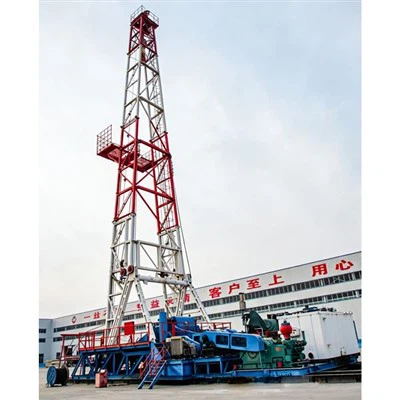
We also provide training and support to our clients’ crews. Our team of experts conducts on – site training sessions to ensure that the crew is familiar with the rig’s emergency procedures and equipment. We offer after – sales service to maintain and upgrade the rig’s safety systems regularly.
Skid Mounted Rig If you are in the market for a drilling rig or looking to improve the safety of your existing rig, we are here to help. Our experience in the industry and commitment to safety make us a trusted partner for all your drilling rig needs. Contact us today to start a discussion about how we can provide you with a rig that meets your requirements and ensures the safety of your crew.
References
- API RP 500, Recommended Practice for Classification of Locations for Electrical Installations at Petroleum Facilities Classified as Class I, Division 1 and Division 2.
- OSHA 29 CFR 1926, Safety and Health Regulations for Construction, which includes requirements relevant to drilling rig operations.
- IADC Well Control Manual, International Association of Drilling Contractors’ manual on well control procedures.
Shandong Rongli Intelligent Manufacturing Co., Ltd.
We’re well-known as one of the leading drilling rigs manufacturers and suppliers in China, featured by quality products and good price. Please rest assured to wholesale high-grade drilling rigs for sale here from our factory. Also, quotation is available.
Address: No.3336, Haidai North Road, Qingzhou City, Shandong Province, 262515, P.R.C.
E-mail: Support@rongligroup.com
WebSite: https://www.oilequipmentsupply.com/
