Hey there! I’m working for a DI water system supplier, and I’ve seen a lot of folks out there who are looking to upgrade their DI (deionized) water systems. Trust me, it’s a big deal, especially when you’re in an industry where high – purity water is a must, like in labs, electronics manufacturing, or even in some fancy car washes. So, let’s talk about how you can upgrade your DI water system. DI Water System
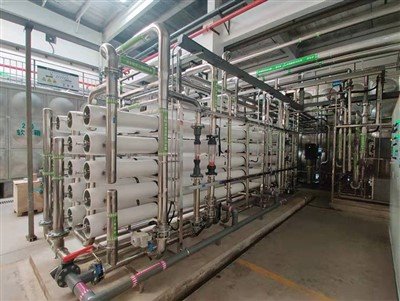
1. Assess Your Current System
First things first, you gotta take a good look at your existing DI water system. Figure out how old it is, what kind of performance it’s been giving you. If it’s been around for a while, it might be having some issues. Check for signs of wear and tear, like leaks in the pipes, problems with the resin beds (that’s where the deionization magic happens), or if the water quality it’s producing isn’t up to par.
I remember one time, a client called us saying their water wasn’t as pure as it used to be. When we went to check, we found that the resin in their DI tank was completely exhausted and needed to be replaced. They had been running the system for way too long without proper maintenance, which is a common mistake. So, do regular checks on your system. Look at the water quality reports, flow rates, and pressure gauges. This info will help you understand what’s working well and what needs an upgrade.
2. Determine Your Water Quality Needs
Your upgrade plan should be based on what you actually need from your water. Different industries have different requirements for water purity. For example, a semiconductor manufacturing plant needs ultra – pure water with almost no impurities at all. On the other hand, a regular car wash might need water that’s just free of the really bad stuff that could leave spots on the cars.
So, set some clear goals. Decide on the specific levels of contaminants you want to remove, like ions (such as sodium, potassium, and chloride), organic compounds, or particulate matter. You can work with a water testing lab to get a detailed analysis of your current water source and set your standards accordingly. Once you know what you need, you can start looking for the right upgrades.
3. Upgrade the Pre – Treatment Stage
Most DI water systems have a pre – treatment stage, and this is an area where you can often make some big improvements. The pre – treatment helps remove the larger particles and some contaminants before the water enters the deionization stage. This can really extend the life of your resin beds and make the whole system more efficient.
One popular upgrade is to add a better sediment filter. The old filter in your system might not be doing a great job at catching all the dirt and debris. A high – quality sediment filter can take out larger particles like sand, silt, and rust. Another option is to install a carbon filter. Carbon filters are great at removing chlorine and organic compounds from the water. Chlorine can damage the resin in your DI beds, so getting rid of it early on is a smart move.
I had a customer who upgraded their pre – treatment stage by adding a carbon block filter. After that, they noticed a significant improvement in the lifespan of their resin beds. They were spending less money on resin replacements and having fewer issues with water quality, which was a huge win for them.
4. Improve the Deionization Stage
The deionization stage is the heart of your DI water system. This is where the ions are removed from the water to make it pure. There are a few ways to upgrade this part.
One option is to switch to a more advanced resin type. There are different kinds of resins available, with varying capacities for removing different ions. Some resins are better at getting rid of cations (positively charged ions), while others are more effective for anions (negatively charged ions). You can work with a supplier (like us!) to choose the right resin for your specific needs.
Another upgrade could be to increase the size of your DI tank or add more tanks in series. This gives the water more contact time with the resin, allowing for more thorough deionization. If you’re currently producing a small amount of DI water and you need to increase your output, this might be a great solution.
5. Upgrade the Monitoring and Control System
Having a good monitoring and control system is essential for a well – functioning DI water system. It allows you to keep an eye on the water quality, flow rates, and other important parameters. Upgrading this part can give you more accurate data and better control over the system.
You can install advanced sensors that can detect even the slightest changes in water quality. These sensors can be connected to a control panel that gives you real – time information. Some systems can even be set up to send alerts to your phone or email if there’s an issue, like a drop in water purity or a problem with the flow rate.
For example, a new client of ours upgraded their monitoring system. They could now see exactly when the resin was getting exhausted and plan for a replacement in advance. This saved them from unexpected downtime and ensured that they always had a reliable supply of high – quality DI water.
6. Consider Automation and Integration
Automation is becoming a big thing in the world of water systems. It can make your DI water system much easier to operate and more efficient. You can automate tasks like resin regeneration, which is the process of restoring the resin’s ability to remove ions. Automated regeneration systems can be set to run at specific times or based on the water quality, ensuring that the resin is always in top condition.
Integration is also important. You can integrate your DI water system with other parts of your production process. For example, if you’re in a manufacturing plant, you can connect the DI water system to the equipment that uses the water. This way, the water supply can be adjusted based on the actual demand, saving you energy and chemicals.
7. Train Your Staff
Even if you have the best – upgraded DI water system in the world, it won’t work well if your staff doesn’t know how to use it properly. So, make sure to provide training for your employees. Teach them how to operate the new system, how to read the monitoring data, and what to do in case of an emergency.
We’ve had clients who invested in a great upgrade but didn’t train their staff. As a result, they faced a lot of problems. The system wasn’t being used to its full potential, and there were some avoidable breakdowns. So, training is a must to get the most out of your upgraded system.
Why You Should Upgrade
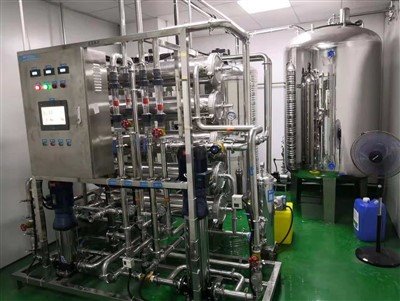
Upgrading your DI water system can bring a lot of benefits. First of all, it can improve the quality of your products. If you’re using DI water in your manufacturing process, higher – purity water can lead to fewer defects and better – performing products. It can also save you money in the long run. A more efficient system will use less energy and chemicals, and you’ll have fewer maintenance and replacement costs.
Pure Water System If you’re interested in upgrading your DI water system or just want to learn more about our products and services, don’t hesitate to reach out. We’re here to help you find the best solutions for your specific needs. Our team of experts can work with you to design and implement the perfect upgrade plan. Just drop us a line, and let’s start talking about how we can make your DI water system work better for you.
References
- "Water Treatment Handbook" – A comprehensive guide on water treatment processes and systems.
- Industry reports on DI water system technologies and advancements.
- Practical experiences and case studies from our own clients.
Shenzhen Jkon Environmental Protection Technology Co., Ltd.
As one of the most professional di water system manufacturers and suppliers in China, we’re featured by quality products and good service. Please rest assured to buy customized di water system made in China here from our factory. Contact us for more details.
Address: Shanghenglang Industrial park, Daloang Street, Longhua District, Shenzhen, China
E-mail: sales@jkontech.com
WebSite: https://www.jkontech.com/
